
Bugs
1995 United KingdomWhen Bugs first appeared on BBC One on Saturday evenings in April 1995, it felt very much like a statement of intent. This was the BBC attempting to modernise its traditional action-adventure drama for the digital age, wrapping computer hacking, biotech threats and high-tech espionage in an accessible, glossy format. Running for four series and forty episodes until August 1999, Bugs became a distinctive piece of 1990s British television: flawed, ambitious, and ultimately left unresolved, yet fondly remembered by those who watched it.
Devised by Carnival Films’ Brian Eastman and producer Stuart Doughty, with significant input from veteran writer-producer Brian Clemens, Bugs wore its influences proudly. Clemens famously described it as a fusion of The Professionals and The Avengers, and the comparison is apt. The series combined the “hard realistic edge” of crime-fighting with flamboyant science-fiction concepts, presenting threats rooted in contemporary anxieties about computers, surveillance, weapons technology and corporate power. Unlike The Avengers, however, Bugs deliberately downplayed overt British iconography. Its world was international, anonymous and modern, a choice that helped the series travel well overseas and gave it a slick, near-futuristic atmosphere.
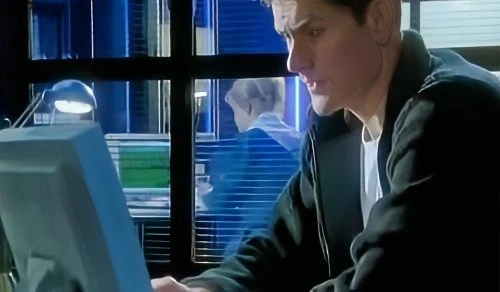
That atmosphere was reinforced by its striking visual identity. Filmed largely around London Docklands and Canary Wharf, areas freshly redeveloped in the mid-1990s, Bugs made inspired use of glass towers, warehouses and industrial spaces. The production base at Blackwall Basin on the Isle of Dogs added to this aesthetic, although the IRA bombing of South Quay Plaza forced the crew to range further afield for intact locations. The result was a show that often looked more expensive than it was, aided by frequent stunts, explosions and a propulsive score, including a theme tune by Gavin Greenaway that neatly captured its techno-thriller tone.
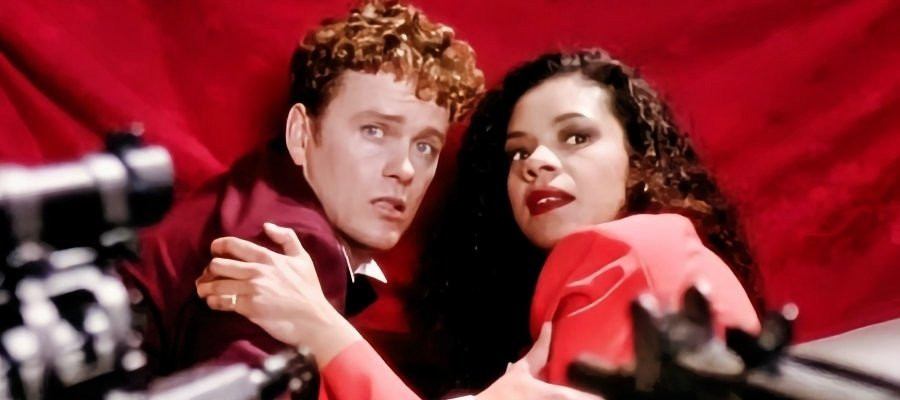
At its centre was the core trio of independent crime-fighting technology experts: Nick Beckett (Jesse Birdsall), Ros Henderson (Jaye Griffiths) and Ed (Craig McLachlan in series one to three, replaced by Steven Houghton in the fourth). Birdsall, fresh from the ill-fated Eldorado, brought a grounded authority to Beckett, while Griffiths’ Ros proved to be one of the show’s strongest assets: intelligent, capable and central to the team’s technical expertise. Ed, perpetually known by his first name alone, became something of a curiosity among fans, with even his surname a subject of debate. The ambiguity suited a series in which false identities and aliases were routine.
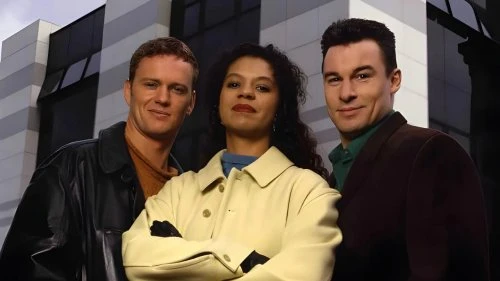
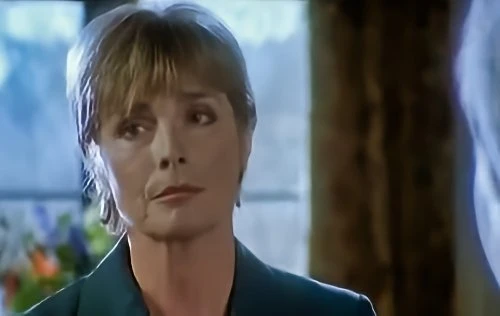
Initially operating as a freelance unit, the team’s relationship with authority evolved over time. Series two introduced the Bureau of Weapons Technology, formalising their role within government structures, and series three replaced this with the newly created Bureau 2, led by the enigmatic Jan (Jan Harvey) and supported by her secretary Alex Jordan (Paula Hunt). This shift reflected a broader change in the series’ storytelling. What began as largely self-contained, one-off adventures gradually transformed into a more serialised format, edging towards a techno “soap opera” complete with office politics, romantic entanglements and longer-running plot arcs.
The writing talent behind Bugs was strong and varied. Alongside Clemens, contributors included Colin Brake and Stephen Gallagher, the latter also acting as a consultant during the second and third series. Two episodes were penned by Alfred Gough and Miles Millar, who would later find fame as the creators of Smallville and Wednesday. While the show could sometimes strain credibility with its rapid-fire plots and speculative science, its pace and confidence often carried it through, particularly when viewed in the context of 1990s television, when such themes were still relatively novel for mainstream audiences.
Broadcast context also played a key role in Bugs’ identity. Originally scheduled at 8.05pm as part of a revamped Saturday night line-up, it sat alongside Chicago Hope and a new Lenny Henry comedy show, signalling the BBC’s desire to attract a broad, family-friendly audience. For much of its run, Bugs fitted this slot comfortably, offering undemanding but energetic entertainment. However, the series’ fortunes declined in its final year. Moved to an earlier timeslot, and with only eight of the ten produced episodes initially scheduled, the fourth series suffered from inconsistent support. The Omagh bombing led to postponements, and World Cup football further disrupted transmission, resulting in the last three episodes being aired a full year later with little promotion.
Perhaps the most frustrating aspect of Bugs is its unresolved ending. The production team, having previously saved the show with a cliffhanger and strong overseas sales at the end of series three, attempted the same strategy again. The final episode ends dramatically: Alex marries her boyfriend Adam, only for him to be killed at the wedding, while Ros and Beckett are abducted by a mysterious attacker recognised by Beckett but unseen by the audience. No resolution ever followed. What was intended as a gambit for renewal instead became a permanent loose end, one that continues to rankle fans.
Despite this, Bugs has enjoyed a modest but persistent afterlife. It developed a minor cult following in the UK, benefited from strong international sales, and was released on Region 2 DVD by Revelation Films, including a complete box set that helped reintroduce the series to new viewers. Briefly available on BritBox in the UK, it has also resurfaced intermittently on channels such as London Live (now London TV), which aired a full rerun beginning in 2014.
Bugs stands as a very 1990s production: optimistic about technology, fascinated by its dangers, and keen to package complex ideas as Saturday-night spectacle. It was not always subtle, and its science could be wildly implausible, but its ambition, pace and visual flair made it compelling viewing. While its unresolved finale and uneven final season prevent it from being a classic, Bugs remains an important stepping stone in British television’s engagement with science fiction and techno-thrillers, and a series that still rewards rediscovery.
Seen this show? How do you rate it?
Seen this show? How do you rate it?
Share on...
Published on January 19th, 2026. Written by Laurence Marcus for Television Heaven.