

Dead Head
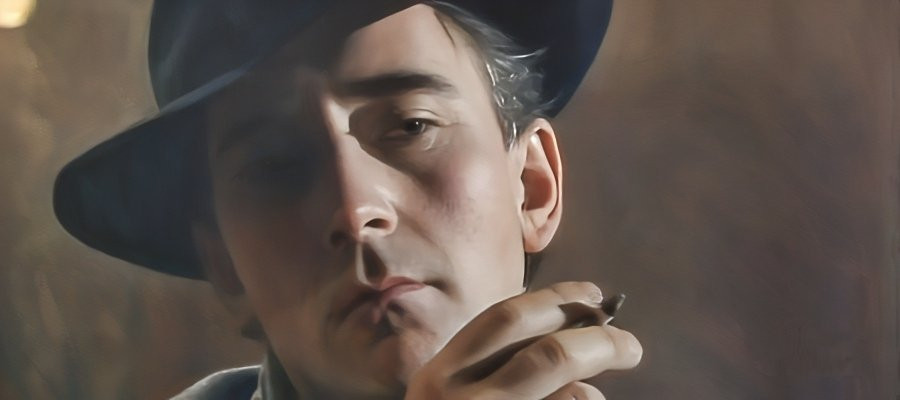
1986 United KingdomDead Head is one of those mid-80s dramas that feels oddly out of joint with its own era—and that’s very much the point. This four-part series from BBC Pebble Mill drops a classic film-noir sensibility into contemporary, multicultural London, wrapping a grubby conspiracy thriller in trench coats, fedoras and fatalism. The result is bleak, stylised and often deeply uncomfortable, but also unmistakably ambitious.
At the centre is Eddie Cass, played with weary conviction by Dennis Lawson (New Tricks). Eddie is a small-time crook, drifting through life on minor scams and bad decisions, who agrees to courier a package across London. When no one answers the door at the drop-off address, curiosity gets the better of him and he opens it—revealing a severed woman’s head neatly packed in a hatbox. Panicking, Eddie dumps the evidence in the Thames, only to discover that the situation has already moved beyond his control. He is abducted by the smooth, menacing Eldridge and told he has been framed for murder: the hatbox belonged to Eddie’s ex-wife, and his fingerprints are all over it.
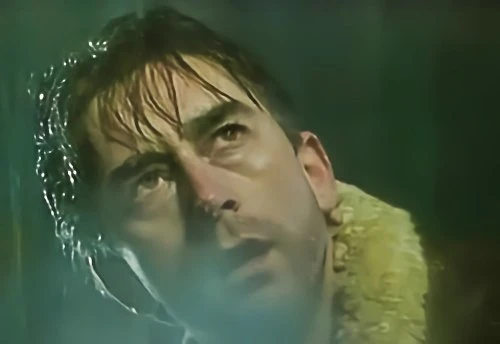
From there, Dead Head becomes a descent. Eddie spirals into drink, homelessness and paranoia, narrating his own downfall in a hard-bitten voice-over that owes everything to classic noir, even if Lawson’s faux Cockney accent sometimes draws attention to itself. Much of the drama unfolds through Eddie’s internal monologue and reaction shots as the world closes in around him. When he finally seeks refuge with his ex-wife Dana (a coolly ruthless Lindsay Duncan - GBH), now living a life of luxury, betrayal is swift and inevitable. By morning, Eddie is once again on the run—and the newspapers are screaming about the discovery of the hatbox. His private apocalypse has gone public.
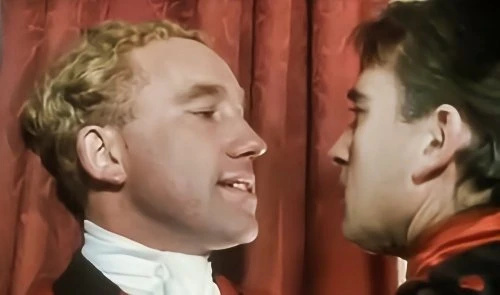
Howard Brenton’s scripts are unsparing in their view of humanity. Nearly everyone Eddie encounters is compromised, corrupt or predatory, and the institutions hovering in the background are no better. Don Henderson (Bulman) and Simon Callow (Chance in a Million) add texture to this rogues’ gallery, but it’s George Baker who leaves the strongest impression, playing Eldridge as the smiling face of an unseen, amoral authority. Brenton also finds flashes of grim humour in the bleakness, moments that briefly undercut the horror without ever offering comfort.
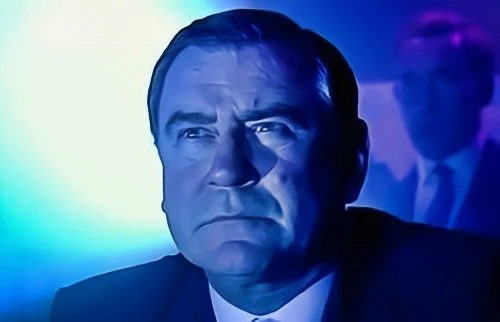
Visually, director Rob Walker and his camera and lighting teams create a strikingly artificial yet convincing “sinful world”. Shot in modern London but dressed like the 1930s, the series leans heavily on noir tropes: deep shadows, skewed angles, smoke-filled interiors and a pervasive sense of night. The anachronism is deliberate and effective, suggesting that the moral rot Eddie encounters is timeless. As The Times observed at the time, this is “neither a pleasant thriller to watch nor to contemplate,” populated by “particularly unsavoury” characters and just enough sex and violence to keep the viewer on edge. Yet it undeniably tells an intriguing story, and its atmosphere is crafted with real care and confidence.
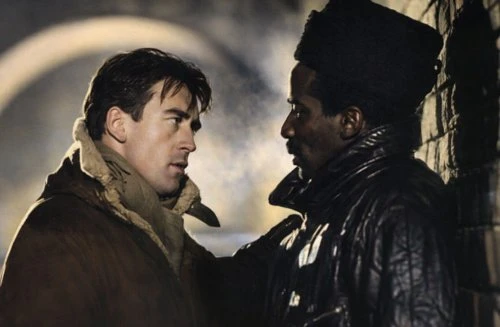
Dead Head isn’t an easy recommendation, nor was it meant to be. It’s abrasive, cynical and occasionally indulgent in its own gloom. But as a piece of stylised television drama, it stands as a fascinating example of 1980s BBC experimentation: a hard-boiled nightmare where severed heads, official corruption and human scavengers feel not shocking, but depressingly inevitable.
Seen this show? How do you rate it?
Seen this show? How do you rate it?
Share on...
Published on February 2nd, 2026. Written by Laurence Marcus for Television Heaven.