


Skins
2007 United KingdomSkins is a bold and unapologetic British teen drama that set itself apart the moment it premiered on E4 in 2007. Set in Bristol and structured around character-focused episodes, the series follows a group of sixth-form students as they navigate the confusion and intensity of adolescence. What made Skins feel so striking at the time—and still memorable today—was its refusal to soften reality. The show tackled difficult subjects such as mental illness, dysfunctional families, substance abuse, sexuality, bullying, and grief with a rawness that was rarely seen on British television, especially in programmes centred on young people.
Created by Bryan Elsley and Jamie Brittain, Skins benefited from a creative approach that felt authentic to youth culture. Episodes named after individual characters allowed viewers to deeply understand each teen’s struggles, flaws, and growth, even when their actions were frustrating or uncomfortable to watch. The decision to replace the main cast every two years was unusual but effective, keeping the series fresh while reflecting how quickly teenage life changes. This format helped the show avoid stagnation and gave multiple generations of characters their own distinct identities.
The first season of Skins is a striking introduction to a series that immediately makes clear it is not interested in playing safe. From the opening episode, “Tony,” the show establishes its ensemble format and restless energy, centring on Tony Stonem as the charismatic, manipulative force pulling his friendship group into chaos. What begins as a party plot quickly reveals the show’s core strength: using teenage excess and humour as a gateway to much darker emotional territory.
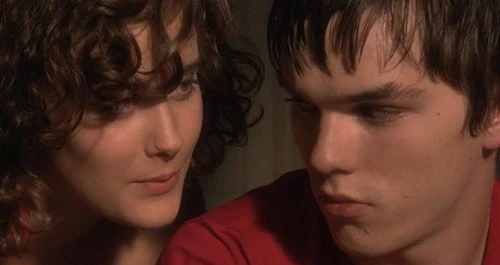
As the season unfolds, each character-focused episode adds depth and balance to the group. “Cassie” is especially memorable, offering a sensitive and unsettling look at mental illness and isolation, while also setting up her fragile connection with Sid. Jal’s episode grounds the series with a quieter but equally powerful story about ambition, class, and parental pressure, proving that Skins can handle subtle drama just as well as shock. Episodes like “Chris” blend comedy and sadness, using his abandonment and reckless behaviour to show how adults repeatedly fail the teens who depend on them.
Midway through the season, the emotional weight increases. Sid’s episode highlights the pain of family breakdown and unrequited love, while Cassie’s crisis marks a turning point that strips away much of the show’s early wildness. “Maxxie and Anwar” stands out for its exploration of friendship, faith, and sexuality, especially in how it portrays Anwar’s internal conflict without reducing him to a stereotype. By the time Michelle confronts Tony’s manipulation, the series has made clear that his charm comes at a real cost to those around him.

The final stretch of the season is intense and dramatic, culminating in “Everyone,” which brings multiple storylines to a head. Moments of reconciliation and acceptance sit alongside betrayal and violence, reinforcing the show’s refusal to offer easy resolutions. The closing sequence—set to “Wild World”—is both haunting and effective, capturing the sudden, unpredictable shifts that define teenage life. Overall, season one of Skins is messy, provocative, and emotionally raw, but it is precisely this honesty that makes it so impactful and unforgettable.
Across seasons two to seven, Skins evolves from a provocative teen drama into a broader meditation on growing up, loss, and the lasting impact of adolescence. While the series keeps its trademark rawness and dark humour, later seasons increasingly focus on consequences rather than shock, showing how early choices shape adulthood.
Season two deepens the emotional weight established in the first, dealing with recovery, grief, and fractured relationships following Tony’s accident. The group matures unevenly: friendships are tested, romances collapse and reform, and the sudden death of Chris becomes one of the show’s defining moments. By the end of the season, the characters scatter, marking the end of the first generation and reinforcing the idea that youth is fleeting and often unresolved.
Seasons three and four introduce a new generation, shifting the tone while retaining the show’s unfiltered approach. This era explores themes of identity, loyalty, mental health, and violence, with a stronger emphasis on group dynamics and moral ambiguity. The characters are less unified, often clashing rather than supporting one another, and the consequences of recklessness feel more severe. These seasons balance dark storylines with moments of humour and warmth, cementing the rotating-cast format as a core strength of the series.
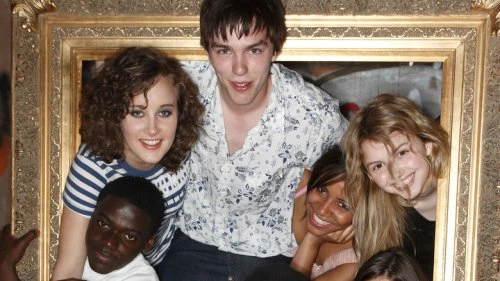
Seasons five and six bring a third generation, focusing heavily on trauma, instability, and self-destruction. The tone becomes darker and more introspective, particularly in its exploration of grief, family breakdown, and mental illness. While divisive among viewers, these seasons push Skins further away from traditional teen drama and toward something more experimental and emotionally demanding.
The seventh and final season serves as an epilogue rather than a continuation, revisiting select characters from earlier generations as young adults. Stripped of the school setting, it examines how unresolved teenage issues resurface later in life, often in quieter but more unsettling ways. Overall, seasons two through seven show Skins constantly reinventing itself, remaining uneven at times but consistently ambitious in its portrayal of youth, consequence, and change.
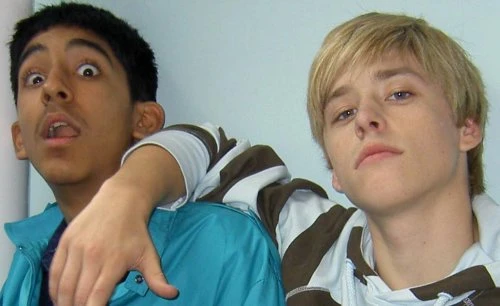
Skins also became notable for launching the careers of several actors who later achieved major success. Nicholas Hoult, who played the manipulative Tony Stonem, went on to build an international film career, while Kaya Scodelario (Effy) became one of the show’s most iconic figures and later starred in major film franchises and television dramas. Dev Patel, appearing as Anwar, gained worldwide recognition soon after Skins with Slumdog Millionaire and has since earned critical acclaim across film and TV. Daniel Kaluuya, who played Posh Kenneth and later wrote an episode of the series, went on to become an Oscar-winning actor and filmmaker. Other standout alumni include Jack O’Connell, known for his intense performances in film and television, and Hannah Murray, whose portrayal of Cassie helped define the emotional tone of the early seasons.
Although often controversial, Skins earned critical acclaim, strong ratings, and a lasting cult following. It is now widely regarded as a revolutionary series for how honestly it portrayed the problems faced by British youth—issues that had largely been ignored or sanitized on public TV before its arrival. While later attempts to expand the franchise, such as the American remake, failed to capture the same impact, the original series remains influential. Skins is not always easy to watch, but its emotional honesty and willingness to take risks secured its place as one of the most important teen dramas of its era.
Seen this show? How do you rate it?
Seen this show? How do you rate it?
Share on...
Published on December 28th, 2025. Written by Laurence Marcus for Television Heaven.