

199 Park Lane
1965 United KingdomBefore the arrival of EastEnders transformed the BBC’s fortunes in continuing drama, the corporation made several determined attempts to loosen ITV’s grip on the soap crown, long held by Coronation Street. 199 Park Lane was among the most lavish: glossy, urbane and aspirational, yet ultimately short-lived.
Set in an exclusive London apartment block portrayed as the height of metropolitan sophistication, the twice-weekly serial immersed viewers in the world of politicians, models, financiers and foreign magnates. Its restaurant boasted impeccable cuisine and Harry’s Bar international renown. For the elite, “199” was more than an address; it was a stage for glittering parties, multimillion-pound deals and carefully managed reputations. The building stood as a self-contained enclave of privilege, where wealth appeared to shield residents from consequence.
Guiding viewers through this gilded maze was gossip columnist Tony Ashman (Philip Bond). Perpetually alert to scandal, he functioned as both observer and catalyst, prising open doors that discretion preferred to keep shut. Through him, the audience glimpsed clandestine affairs and high-stakes manoeuvres concealed behind polished façades.
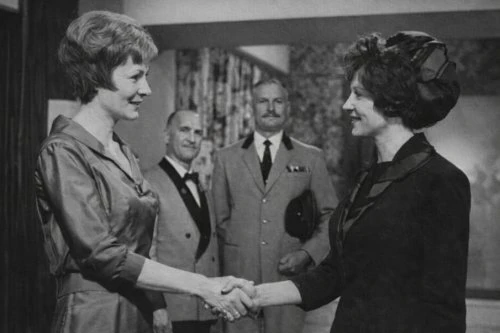
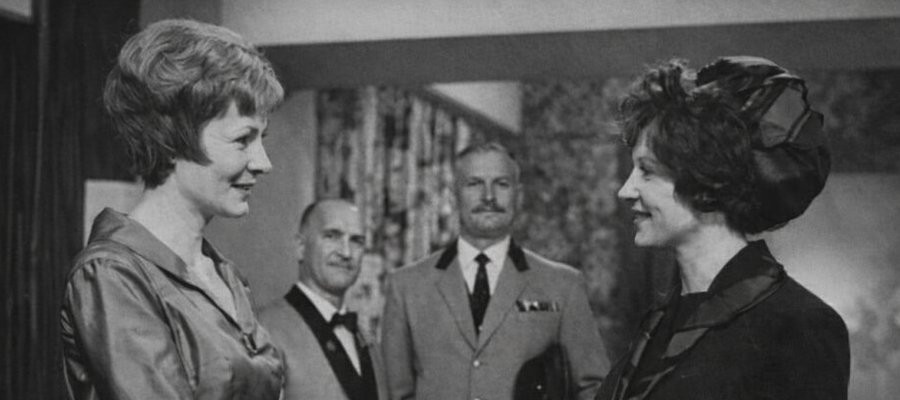
Day-to-day order rested with manageress Kate Harvester (Brenda Kaye) and Head Porter Sergeant Baines (Geoffrey Toone), guardians of smooth service and strict discretion. Yet tension simmered beneath the surface, particularly when residents of lesser means attempted to infiltrate this rigid social hierarchy. Across its nine-week, eighteen-episode run, the drama focused on clashes between entrenched privilege and ambitious outsiders. Anne Faulker’s arrival disturbed the equilibrium, and the later appearance of the unwelcome Mr Kimpson intensified anxieties surrounding class and foreignness. Money, the series suggested, could secure entry but not acceptance.
The opening episode neatly established the tone. Greek millionaire Constantin Petrakos throws a lavish party while remaining conspicuously absent from his own celebration. As guests circulate in couture trading pleasantries, romantic tensions and family disapproval surface. One incongruous figure — Colin, the awkward nephew of a fashionable designer — disrupts the evening’s poise, his social ineptitude exposing the fragility beneath the glamour.
Behind the scenes, the production pedigree was strong. Producer Morris Barry had overseen numerous BBC serials, including Compact, and several cast members were familiar to audiences from that earlier success — notably Brenda Kaye, who had played the sophisticated fashion editor Lorna Willis-Ede. Creator William Fairchild brought extensive film and television experience, lending the project thematic ambition.
Despite healthy ratings and evident confidence, the series struggled to sustain dramatic momentum. Its enclosed, high-society setting limited narrative drive, and it was overshadowed by emerging hits such as The Newcomers and United!, leading to its cancellation.
In retrospect, 199 Park Lane reflects the BBC’s 1960s determination to pursue stylish, concept-led drama — even if life in the penthouse proved difficult to maintain.
Seen this show? How do you rate it?
Seen this show? How do you rate it?
Share on...
Published on February 20th, 2026. Written by Laurence Marcus for Television Heaven.