

Fair Game
1958 United KingdomThere is something quietly poignant about Fair Game, a modest six-part BBC drama-comedy from 1958 that survives today only in paperwork, press cuttings and memory. Written by crime novelist Michael Gilbert, the series marked a deliberate sidestep from the tightly wound thriller serials with which he was more usually associated, opting instead for a gently comic, socially observant “fish out of water” tale set in post-war Britain.
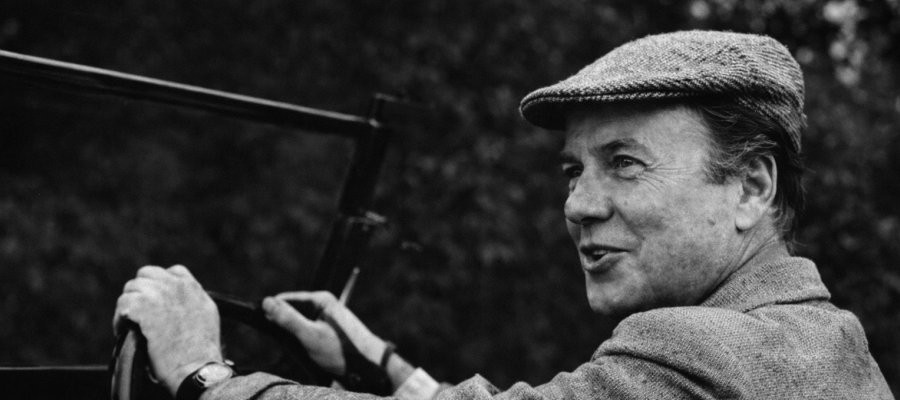
At its centre was Toby Truscott (Derek Farr), a recently resigned Regular Army officer whose problem is not scandal or disgrace but redundancy. With peacetime offering little future for his commission, Truscott emerges onto Civvy Street armed with a small pension and a few thousand pounds in savings—enough to make him conspicuous, but not enough to make him secure. Gilbert’s premise is simple and effective: Truscott possesses money, breeding and decency, but no qualifications or instincts for the civilian world he must now navigate. As a result, he becomes exactly what the title suggests—fair game.
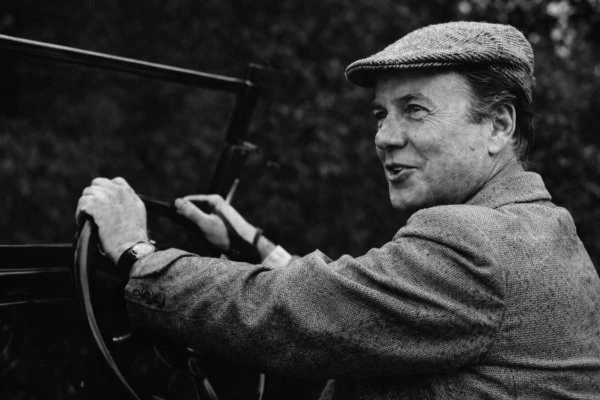
Over six brisk half-hours, Truscott finds himself pursued, exploited and manipulated by a parade of spivs, con artists and opportunists who sense an easy mark. His uneasy guide through this world is Sam Shorter (Harry Locke), an ex-Bombardier turned full-time spiv, whose Cockney pragmatism and moral flexibility offer a sharp contrast to Truscott’s earnest naivety. The dynamic between the two men appears to have been the series’ chief pleasure: Farr’s restrained, upright performance playing neatly against Locke’s well-honed character-actor earthiness.
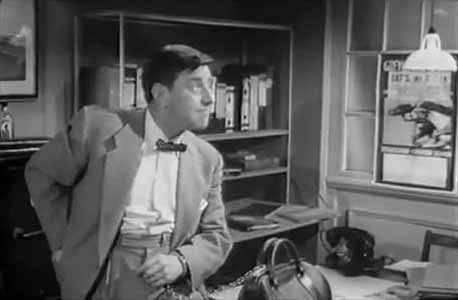
Airing in an early-evening slot, Fair Game was intentionally lightweight, but not slight. The scripts sustained their central conceit effectively, using Truscott’s encounters to explore class anxieties in late-1950s Britain. Money, the series suggests, may buy access but not acceptance: Cockneys are ultimately warm-hearted, the upper classes remain impermeable to the nouveau riche, and financial independence proves a poor substitute for purpose or belonging. These are familiar conclusions, but Gilbert’s touch—tempered by wit rather than cynicism—seems to have given them a pleasing ease.
The production pedigree was strong. Produced and directed by Desmond Davis, the series featured an impressive supporting cast including Clive Morton, Graham Crowden, John Glyn-Jones, Lane Meddick, James Hayter, Jack Hedley, Rosamund Greenwood and Gerald Campion. Campion, still struggling to escape the long shadow of his Billy Bunter persona, drew particular comment. Manchester Evening News critic Max North was unimpressed, noting that “there was no disguising that face or that booming voice,” which “very nearly ruined what promises to be an intriguing series.” It is a telling remark, reflecting both the limitations of typecasting and the expectations audiences brought with them.
Derek Farr, meanwhile, was well cast as Truscott. Best remembered today as Group Captain John Whitworth in The Dam Busters, Farr had a long and steady career stretching back to the late 1930s. His own wartime service and post-war gravitation toward solid, sympathetic character roles would have lent Truscott an air of lived-in authenticity, grounding the comedy in something recognisably human.
Although Fair Game has never enjoyed the reputation of Gilbert’s crime work, its existence underlines the range and confidence of BBC Television drama in the 1950s. Comedy-thrillers and hybrid forms were increasingly popular as the decade drew to a close, and this series appears to sit comfortably within that experimentation. That no recordings survive is regrettable but not surprising giving the priority the BBC later gave to preserving its archive material.
In the end, Fair Game seems emblematic of a certain kind of lost television: unpretentious, well-crafted, socially attuned, and anchored by dependable performers. Its absence from the archives leaves only a faint outline—but one that hints at a series of quiet charm, modest ambition, and distinctly British irony.
Seen this show? How do you rate it?
Seen this show? How do you rate it?
Share on...
Published on January 14th, 2026. Written by Laurence Marcus for Television Heaven.