


Mannix
1967 United StatesFew American detective series of the late 1960s and early 1970s were as punishing, or as compulsively watchable, as Mannix. From its US premiere in September 1967, the show quickly gained a reputation for being unflinchingly tough, frequently criticised for excessive violence yet embraced by viewers. It ran for eight seasons and was still drawing strong ratings when it was abruptly cancelled, its demise driven less by creative fatigue than by behind-the-scenes network rivalry.
The series began with an unusually forward-looking concept. In its inaugural season, private investigator Joe Mannix (Mike Connors) is employed by Intertect, a powerful Los Angeles detective agency that uses state-of-the-art computers to analyse crimes. Mannix’s boss, Lew Wickersham (Joseph Campanella), trusts data and systems, while Mannix himself is a throwback to the hard-boiled detective tradition, relying on instinct, persistence and a willingness to break rules. The clash between these two philosophies, and between the men themselves, was central to the show’s early appeal. That said, the experiment was short-lived.
With ratings under scrutiny, Desilu Productions – overseen by Lucille Ball and advised by producer Bruce Geller, already celebrated for Mission: Impossible – opted to reshape the series. Ball felt the technological angle was too abstract for contemporary audiences, and so Mannix was reconfigured into a more familiar private-eye drama. When the second season, now produced by Paramount Television, opens, Mannix has left Intertect and is working independently, He operates from an elegant West Los Angeles office, lives upstairs, and is supported by his capable secretary Peggy Fair.
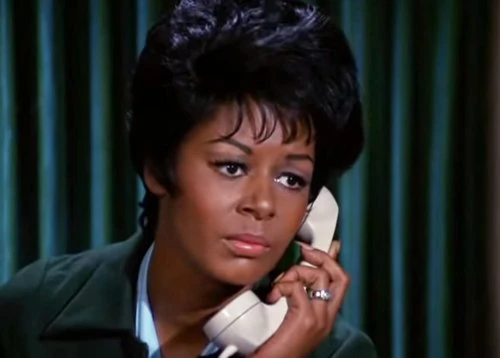
Peggy, portrayed by Gail Fisher, is a police officer’s widow and an important figure in American television history as one of the first Black actresses to hold a regular role in a US drama series.
The show’s sense of style extended to its vehicles as well, with Mannix driving a succession of conspicuously classy cars over the years, including a custom-built Oldsmobile Toronado roadster created by George Barris, builder of TV's Batmobile from the 1960s Batman series. By the final season, the detective had transitioned to more contemporary Chevrolets, reflecting the passage of time without altering the show’s core identity.
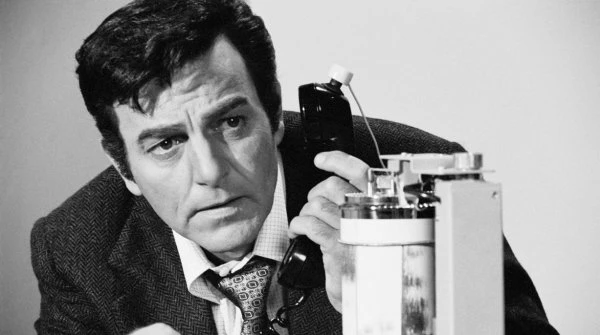
Operating alone did not mean operating in isolation. Mannix maintained close, if occasionally strained, relationships with the Los Angeles Police Department, trading information with a rotating cast of lieutenants. Among the most notable was Lieutenant George Kramer, played by Larry Linville, as well as Robert Reed’s Lieutenant Adam Tobias, whose appearances overlapped with his run on The Brady Bunch. The sheer number of LAPD lieutenants on hand sometimes bordered on the absurd, but it reinforced Mannix’s position as a respected maverick. The occasional assistance of rival investigator Albie Loos added both texture and humour.
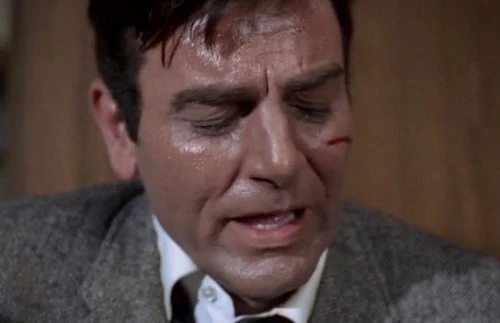
The physical toll on Mannix was legendary. Connors’ character was shot, beaten and rendered unconscious with alarming regularity, a level of on-screen punishment that contributed to the show’s notoriety. Connors himself was injured filming the pilot, and the sustained violence eventually prompted CBS to ask for restraint, particularly as similar concerns had previously contributed to the cancellation of his earlier series Tightrope. Even so, Mannix remained a ratings success, with its eighth and final season still comfortably placed in the Nielsen top 20.
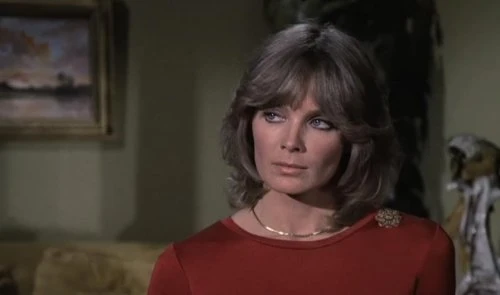
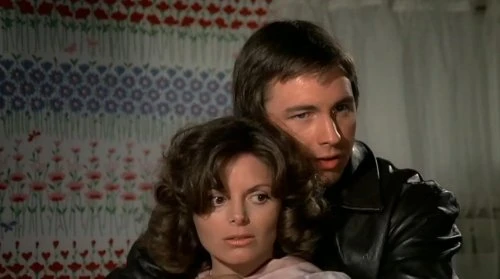
Adding to the show’s enduring appeal was an impressive roster of guest stars, many established and many of whom would go on to greater fame. Appearances from Loretta Swit, Billy Bixby, Karen Black, Neil Diamond (in a brief role as a club singer), Linda Evans, Jill Ireland, Walter Koenig, Cloris Leachman, Burgess Meredith, Lee Merriwether, Vera Miles, Pernell Roberts, Tom Selleck, John Ritter and Adam West gave the series a richness and variety.
The end came suddenly in 1975. Despite assurances that the show would continue, Mannix fell victim to a dispute between networks when Paramount agreed to sell rerun rights to ABC. CBS balked at the idea of one of its hits airing on a rival channel. Fearing audience erosion, the network quietly dropped the series from its schedule, a decision that took Connors, who only learned of the cancellation via a reporter’s phone call, by surprise, and left him feeling profoundly adrift.
Looking back, Mannix stands as a robust, sometimes brutal, but consistently engaging entry in the pantheon of television detectives. Its blend of old-school toughness, changing social dynamics and occasional stylistic excess gives it a character all its own, ensuring its place as one of the defining crime dramas of its era.
Seen this show? How do you rate it?
Seen this show? How do you rate it?
Share on...
Published on January 15th, 2026. Written by Laurence Marcus for Television Heaven.