


Stranger in the City
1962 United KingdomFollowing the popularity of its predecessor Stranger on the Shore, Stranger in the City arrived in spring 1962 as a confident continuation of a winning formula. Once again scripted by Sheila Hodgson and produced and directed by Kevin Sheldon, the six-part Sunday evening serial reunited viewers with Marie-Helene Ronein and the amiably disorganised Gough family—this time uprooted from seaside familiarity and replanted in London.
The earlier series had drawn much of its charm from Marie-Helene’s cultural displacement as a French au pair adjusting to English life. In this sequel, the “fish-out-of-water” theme is neatly reversed and expanded. The Goughs themselves must adapt, exchanging their spacious Brighton home for a fifth-floor flat at 34 Queen Alexandra Mansions. The first episode focuses on the uncertainties surrounding the move—harassed David Gough says a firm "No" to his young son Podger who wants to take along his tortoise, a giant cactus, and a telescope tripod, Mrs Gough is having last-minute misgivings and teenage daughter Penny is undecided about her future career—before the remaining instalments unfold against the bustle and unpredictability of the capital.
Marie-Helene, portrayed once more by Jeanne le Bars, is no longer quite the hesitant newcomer. Though still naïve in worldly matters, she has overcome earlier language barriers and carries herself with greater assurance. London, however, provides its own brisk education. In the opening episode she becomes lost en route and stranded, setting the tone for a blend of mild suspense, gentle comedy and character-driven storytelling. Her experiences caring for the Gough children remain the narrative’s heart—light, undemanding, and perfectly suited to family viewing.
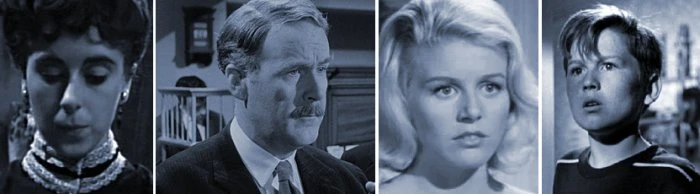
Jeanne Marie Elizabeth le Bars was born on 11 February 1942 in Swansea, Wales. She began her acting career as the Player Queen in a 1961 production of Hamlet at the Oxford Playhouse and the Strand Theatre in London. By 1964 she was appearing in repertory at Swansea’s Grand Theatre. Two years later she joined the company at the Queen’s Theatre in Hornchurch, playing roles including Jennie Green in Dickon, and in 1968 returned there as Sibley Sweetland in The Farmer’s Wife. Her television work during the decade included Charlotte in an episode of The Power Game, Wilma in Isadora Duncan, the Biggest Dancer in the World directed by Ken Russell, and a small role in The Forsyte Saga. Stranger in the City captures her at a formative and particularly engaging stage of her screen career, although by the early 1970s she appears to have dropped out of sight.
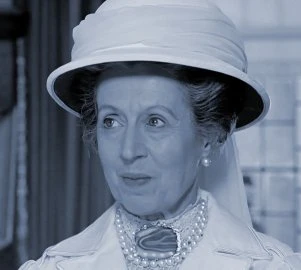
Richard Vernon, a prolific performer with more than 200 screen credits between 1949 and 1996, brings dry authority and subtle humour to the harassed David Gough. He continued working until shortly before his death from Parkinson’s disease on 4 December 1997. As Mrs Gough, Beatrix Mackey lends emotional credibility to the anxieties of relocation; born in Birmingham on 10 December 1910, she enjoyed a long career that included appearances in The Railway Children, George and Mildred and Juliet Bravo before retiring in 1988 and later residing at Denville Hall until her death, just two months before her 100th birthday, on 5 October 2010.
April Wilding plays teenage Penny (Amanda Grinling played the character in the first series - this was the only main cast change) with an appealing uncertainty about her future. Born in Bolton, Lancashire on 4 January 1941, Wilding also appeared in productions such as Secrets of a Windmill Girl, Secret Agent, The Revenue Men and The Saint. She was married to actor John Stride (The Main Chance) and died in Kensington, London, on 24 August 2003. Meanwhile, the youthful energy of Podger comes from Denis Gilmore, born in Hillingdon on 14 August 1949. A screen performer from childhood, he made his debut in 1953 and continued acting through to the 2010 film Made in Dagenham. At the time of writing, he is living in retirement.
Musical continuity also links the sequel to its predecessor. The instantly recognisable theme, Stranger on the Shore, by Acker Bilk, once again provides the lilting, evocative signature tune—its mellow clarinet strains reinforcing the programme’s blend of sentiment and light adventure.
If Stranger in the City does not radically depart from what made the original so beloved, that is precisely its strength. It offers reassurance rather than reinvention, presenting relatable domestic upheaval through characters who feel lived-in and sincere. By shifting the setting while preserving the tone, the serial delivers six episodes of understated charm—proof that even a simple change of address can provide fertile ground for engaging, family-friendly drama.
Seen this show? How do you rate it?
Seen this show? How do you rate it?
Share on...
Published on February 26th, 2026. Written by Laurence Marcus for Television Heaven.