

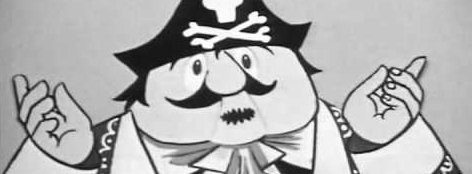
Captain Pugwash
1957 United KingdomA Lovable Rogue on the High Seas
There’s something irresistibly quaint about Captain Pugwash, the classic children’s animation created by John Ryan, which first sailed onto British television screens in the 1950s. With its distinctive cut-out animation and homespun charm, the series has since become a staple of childhood nostalgia, remembered fondly by generations who grew up with the podgy, good-natured skipper of The Black Pig.
Each tale of Captain Horatio Pugwash was told over a series of short, five-minute episodes, which perfectly suited the attention spans of young viewers. These bite-sized adventures saw the bumbling Pugwash and his loyal but often more competent crew—most notably the ever-resourceful Tom the Cabin Boy—face off against the dastardly and delightfully named Cut-Throat Jake, a black-bearded pirate who served as the series’ recurring villain.
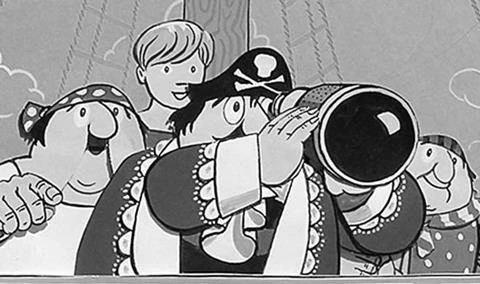
Despite its undeniable charm, the animation was rudimentary at best—characters moved in a sort of jittery paper-puppet fashion that gave the show a DIY quality. But rather than detracting from the viewing experience, the crude animation style somehow added to its appeal, lending a sense of storytelling through picture-book simplicity.
Peter Hawkins, a stalwart of BBC children's programming, provided the voices for all characters, imbuing them with warmth, whimsy and a touch of theatricality. Hawkins, whose vocal talents also brought life to Bill and Ben the Flowerpot Men and the menacing Daleks of Doctor Who, gave Pugwash and crew their distinctive aural personality.
The series wasn’t without its controversies. In later years, John Ryan was accused of inserting risqué innuendos into the scripts—most famously, the claim that characters bore suggestive names such as "Master Bate" and "Seaman Staines". Ryan strenuously denied these allegations, and a closer inspection reveals them to be little more than urban myth. The much-cited "Master Bate" was, in reality, called Master Mate—a name entirely in keeping with nautical tradition.
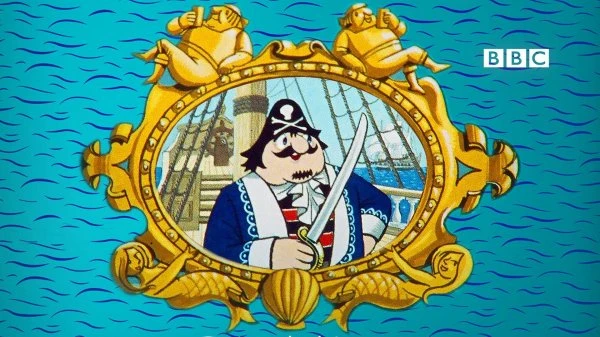
The enduring popularity of Captain Pugwash saw the series colourised in later years, and in 1999 a brand-new set of 26 episodes was produced at the not-insignificant cost of £1.5 million. This revival introduced Pugwash to a new generation while retaining the charm and humour that made the original so beloved. A regular cartoon strip in Radio Times further cemented the character’s place in the pantheon of British children’s media.
Captain Pugwash may not have had the slick visuals or fast pace of modern animated series, but its gentle humour, memorable characters, and old-school storytelling give it an enduring legacy. It remains a cherished example of how modest production values can be transcended by imagination, wit, and a touch of British eccentricity.
Verdict (2025 perspective):
★★★☆☆ A classic slice of maritime mischief, as ramshackle as The Black Pig herself—but all the more endearing for it.
Seen this show? How do you rate it?
Seen this show? How do you rate it?
Share on...
Published on May 13th, 2025. Written by Laurence Marcus for Television Heaven.