
Spooks
2002 United KingdomSpooks is a title that perfectly captures the mood of this landmark British espionage drama. The slang term “spook,” dating back to the early twentieth century, evokes ghosts and spectres — unseen figures moving silently in the shadows. That sense of anonymity and moral ambiguity lies at the heart of the series created by David Wolstencroft and produced by Kudos for BBC. In the United States, where “spook” can carry racist connotations, the show was retitled MI-5 to avoid misunderstanding — a pragmatic decision that underscores how language itself can operate differently across borders, much like intelligence work.
From its debut on BBC One in May 2002, the series distinguished itself stylistically. Episodes originally aired without opening or closing credits, a bold choice designed to preserve the illusion that these operatives existed beyond public recognition. This stylistic austerity, combined with kinetic camerawork and morally complex plotting, quickly made the show both a ratings success and a magnet for high-profile guest stars.
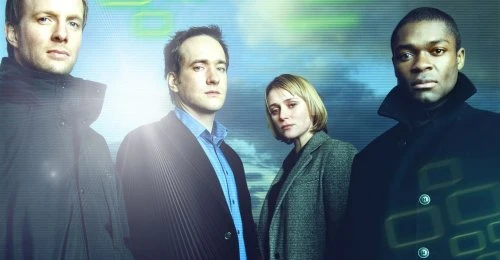
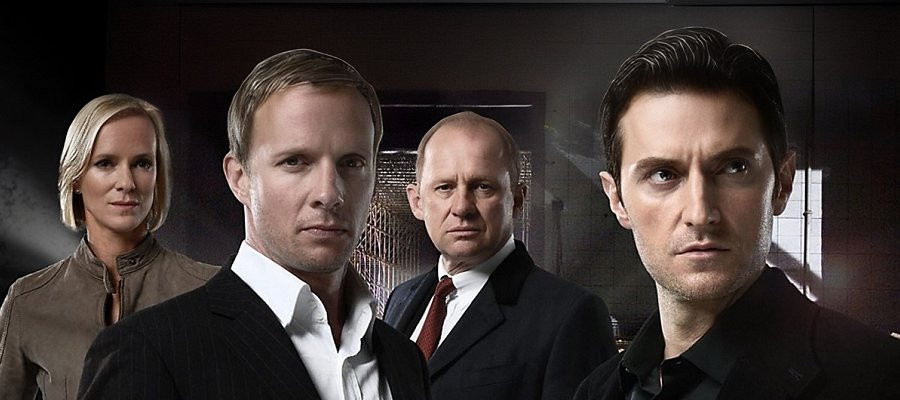
The initial six-episode run starred Matthew Macfadyen as Tom Quinn, Keeley Hawes as Zoe Reynolds, David Oyelowo as Danny Hunter, Jenny Agutter as Tessa Phillips, and Peter Firth as the inscrutable MI5 chief Harry Pearce. The show wasted no time establishing its willingness to shock. The second episode became notorious for the brutal death of Helen Flynn (Lisa Faulkner), tortured with a deep fryer by race riot instigator Robert Osborne (played by Kevin McNally). Tom’s refusal to betray classified information leads to Helen’s death, a sequence that generated the largest number of complaints to the Broadcasting Standards Commission in 2002. Even airing after the 9 p.m. watershed, it overwhelmed BBC switchboards. Yet the controversy also cemented the programme’s reputation: this was a spy drama where actions had irrevocable consequences.
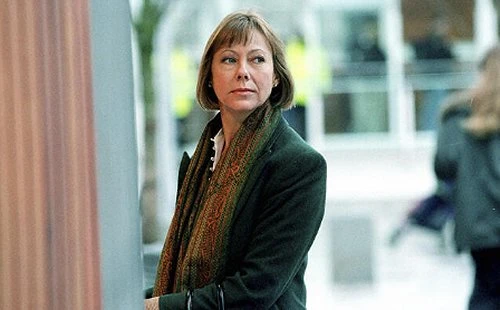
Success brought expansion. A ten-episode second series followed in 2003, introducing new regulars including Ruth Evershed (Nicola Walker), who would become one of the show’s emotional anchors. By the third series in 2004, the narrative shifted decisively. Rupert Penry-Jones joined as Adam Carter, drafted from MI6 to investigate Tom’s disappearance and ultimately replacing him as Section Chief. The turnover of lead characters became a defining feature: loyalty was fragile, careers ended abruptly, and death was never far away. Zoe’s forced exile to Chile, Danny’s killing in a hostage situation, and Adam’s increasingly burdened leadership all reinforced the drama’s core theme — the personal cost of national security.
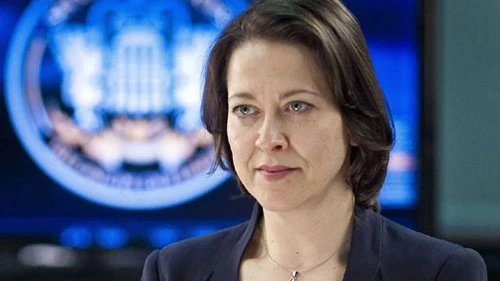
The fourth series in 2005 opened with a storyline involving a terrorist bombing in central London. Filmed before the real-life 7 July attacks but scheduled to air afterward, the episodes prompted serious debate within the BBC. Ultimately broadcast unedited, albeit with warnings from continuity announcers, they exemplified the show’s uncomfortable proximity to real-world events. New characters such as Zafar Younis (Raza Jaffrey) and Juliet Shaw (Anna Chancellor) deepened the ensemble, while the death of Fiona Carter — written to accommodate actress Olga Sosnovska’s departure — delivered another emotionally charged blow.
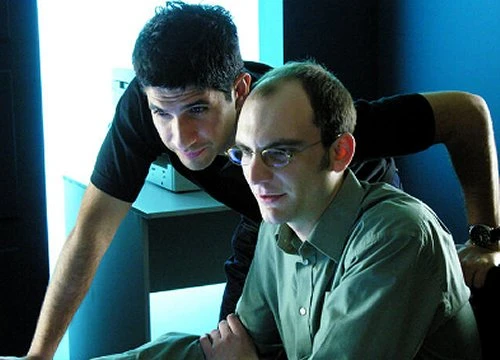
By its fifth series, Spooks widened its lens from counterterrorism operations to institutional conspiracy. Elements within the British government, MI6, and even the media conspire to undermine parliamentary democracy, arguing that rule by committee is necessary for survival in an age of terror. The introduction of Ros Myers (Hermione Norris) added a coolly intelligent and morally ambiguous presence. Storylines tackled fake home-grown extremist cells, nuclear proliferation, and geopolitical arms deals, reflecting anxieties of the post-9/11 world.
The sixth series adopted a more serialized approach, centring on Iran’s pursuit of nuclear capability and the competing agendas of the CIA, Russia’s FSB, and rogue intelligence factions. This sustained arc gave the show a geopolitical sweep rarely attempted in earlier seasons. In series seven, the shock tactic returned with force: Adam Carter dies in a car explosion. Ros becomes section leader, and Lucas North — played by Richard Armitage — emerges as a complex new protagonist, an agent scarred by eight years in a Russian prison. The season culminates in a thwarted nuclear attack on London, complete with the evacuation of Parliament and the Royal Family, fusing personal drama with national peril.
Later seasons continued the long-arc storytelling. Series eight revolved around the shadowy organisation “Nightingale.” Series nine introduced new figures tied to Lucas’s mysterious past, while series ten — the last — built toward the revelation of a plot designed to force Britain and Russia into war. Cast changes remained constant; even so, Peter Firth’s Harry Pearce provided continuity, his weary gravitas anchoring the shifting ensemble. A cameo return by Matthew Macfadyen in the final episode elegantly closed the circle.
The 2015 feature film, Spooks: The Greater Good extended the franchise to the big screen, with Peter Firth reprising his role alongside returning and new cast members. While the film delivered polished action and international scope, it was the television series that truly defined the property.
Across ten seasons, Spooks balanced procedural tension with serialized political drama. Its trademark style — urgent editing, overlapping dialogue, moral grey zones — influenced subsequent British thrillers. More importantly, it trusted its audience to accept loss and uncertainty as the price of authenticity. Characters vanished, died, or betrayed one another; democracy itself teetered; and victories were often pyrrhic. Like the ghosts evoked by its title, the operatives of MI5 moved unseen, their sacrifices largely unacknowledged. That fusion of realism, topical storytelling, and emotional risk secures Spooks a lasting place in the canon of modern television espionage drama.
Seen this show? How do you rate it?
Seen this show? How do you rate it?
Share on...
Published on February 23rd, 2026. Written by Laurence Marcus for Television Heaven.