

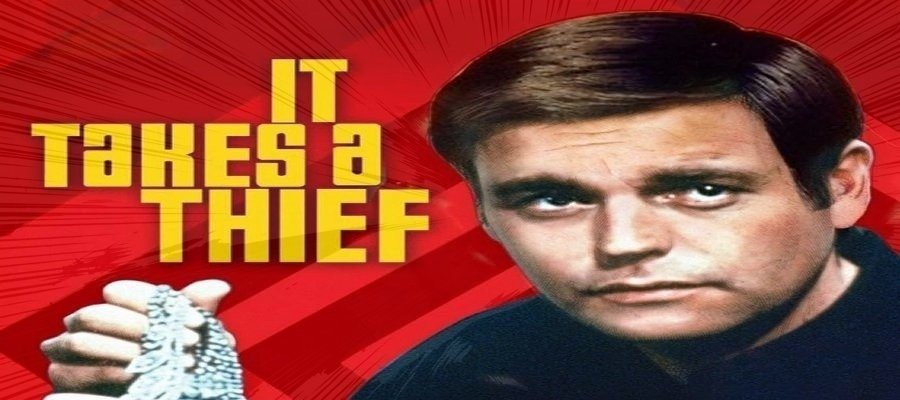
It Takes a Thief
1968 United StatesIt Takes a Thief arrived towards the tail end of the 1960s espionage boom and, over its three-season run on ABC from 1968 to 1970, managed to carve out a distinctive niche of its own. Created by Roland Kibbee, the series takes a knowingly stylish approach to the spy genre, blending caper-driven storytelling with the polish of a classic Hollywood heist film.
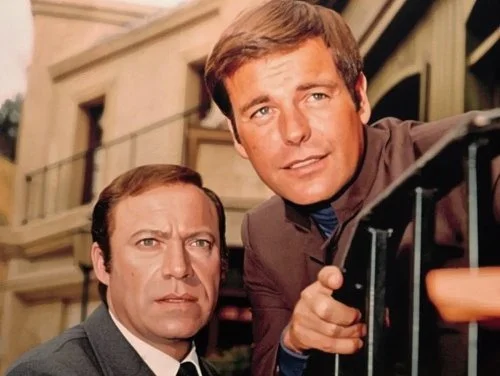
At its centre is Alexander Mundy, played with effortless charm by Robert Wagner. Mundy is a world-class thief whose incarceration in San Jobel Prison is cut short by an unusual proposition: work for a covert government agency, the SIA (Secret Intelligence Agency), or remain behind bars. The agency’s head, Noah Bain—portrayed with steely authority by Malachi Throne—becomes both handler and gaoler (Mundy remained under house confinement when not on assignment), keeping him on a tight leash while exploiting his particular talents for stealing anything from classified documents to priceless jewels.
The dynamic between Wagner and Throne is one of the show’s strongest elements. Bain’s stern, often threatening demeanour is offset by a grudging admiration for Mundy’s abilities, and their adversarial rapport lends the series a welcome edge. There is always the sense that Mundy is one misstep away from being sent back to prison, which adds tension even to the more playful episodes.
Although clearly influenced by (but not based upon) To Catch a Thief, the series never feels derivative. Indeed, Wagner reportedly sought guidance from Cary Grant—who starred in the 1955 Hitchcock film—when shaping his performance, and that lineage is evident in Mundy’s debonair, lightly ironic persona. There are also echoes of Wagner’s earlier turn in The Pink Panther, where he first hinted at this sort of suave opportunism.
Narratively, the programme thrives on its hybrid structure. Each episode combines elements of espionage thriller and high-stakes caper, allowing for a wide range of plots and locations. From retrieving stolen intelligence to orchestrating elaborate heists, the series keeps its premise flexible enough to remain fresh. The first season, in particular, is often regarded as the high point, with tighter plotting and a slightly darker sense of humour underpinning the intrigue.
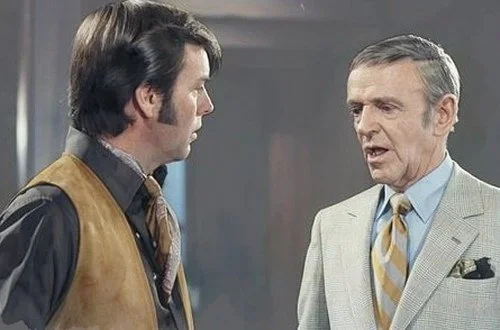
The third season brings notable changes. Throne departed and was replaced by Edward Binns as Wally Powers, a less imposing but still effective SIA chief. More significantly, the introduction of Fred Astaire as Alister Mundy, Alexander’s father, adds a new dimension. Astaire’s gentleman-thief steals more than just valuables—he frequently steals the show. His episodes, beginning with “The Great Casino Caper” set in Venice, shift the focus towards a lighter, more playful tone, often centring on father-and-son collaborations that echo classic caper traditions.
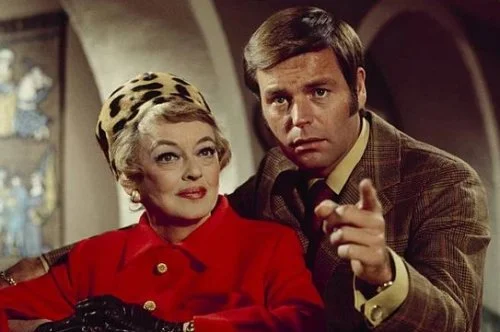
The series also benefits from an impressive roster of guest stars. Susan Saint James appeared in five episodes, Ricardo Montalbán appeared in two. Stefanie Powers (Robert Wagner's future co-star in the later series Hart to Hart) appeared in one episode as did Suzanne Pleshette, John Saxon, Noel Harrison, Julie Newmar, George Takei and Peter Sellers. Appearances from the likes of Bette Davis, Joseph Cotten, Elsa Lanchester, Hermione Gingold and Ida Lupino also add a touch of prestige.
In tone, It Takes a Thief strikes a commendable balance. It never tips fully into parody, nor does it burden itself with excessive seriousness. Instead, it occupies a middle ground where wit, suspense and character interplay coexist comfortably. Even as the spy craze began to wane, the series retained a sense of sophistication and fun that set it apart from many of its contemporaries.
Though it may not be as widely remembered as some of its peers, It Takes a Thief remains an engaging example of late-1960s television craftsmanship—elegant, inventive, and anchored by a leading performance that perfectly captures the allure of the gentleman thief.
Seen this show? How do you rate it?
Seen this show? How do you rate it?
Share on...
Published on April 12th, 2026. Written by Laurence Marcus for Television Heaven.