

Murder Most English
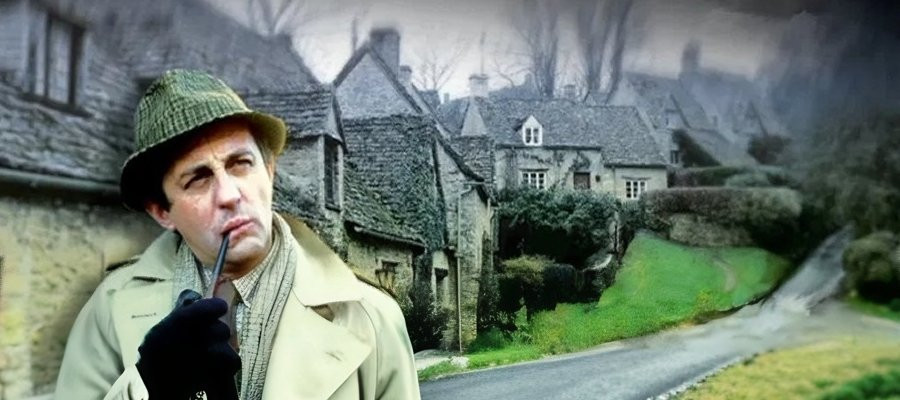
1977 United KingdomMurder Most English; A Flaxborough Chronicle to give it its full title, is one of those quietly distinctive BBC series that seems modest on first acquaintance but grows richer the longer you sit with it. Adapted by Richard Harris from four of Colin Watson’s Flaxborough novels (Hopjoy Was Here, Lonelyheart 4122, The Flaxborough Crab and Coffin Scarcely Used), it occupies an unusual tonal space: part detective drama, part social satire, and part affectionate comedy of manners, all wrapped in the rhythms of a small English market town that feels stubbornly resistant to modernity.
At the centre is Inspector Walter Purbright, played with beautifully judged understatement by Anton Rodgers. Purbright is not a showy television detective. He does not dazzle with flashes of genius or dominate scenes with eccentricity. Instead, Rodgers presents him as a man whose strength lies in calm persistence, fairness, and a quietly unshakeable moral centre. His investigations unfold through courtesy rather than confrontation, and through attention to people rather than clever tricks. This makes the eventual solutions—often disarmingly simple—feel earned rather than contrived. In an era crowded with flamboyant sleuths, Purbright’s integrity becomes his most distinctive trait.
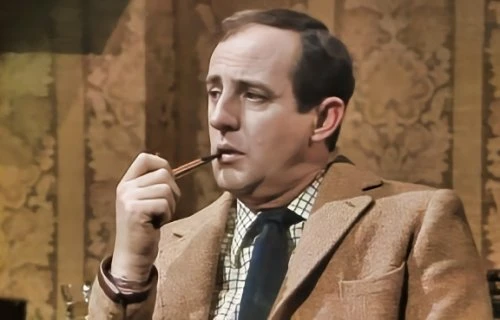
The series draws much of its pleasure from contrast. The crimes themselves emerge from polite society: respectable figures circling one another in drawing rooms and committees, quietly scheming over money and status until matters turn lethal. The show delights in skewering local pretension, exposing how thin the veneer of respectability can be. Yet the satire is never cruel. There is a gentle, amused eye at work, one that recognises folly as a permanent feature of human behaviour rather than a moral failing unique to any one class.
Visually and atmospherically, Murder Most English benefits enormously from its sense of place. The locations—especially the use of an old-fashioned police station—anchor the stories in a world that feels slightly out of time. This “behind-the-times” quality reinforces the series’ themes: tradition rubbing up against ambition, and procedure acting as a bulwark against chaos. The Lincolnshire market town of Boston (actually filmed in parts in the smaller market town of nearby Alford) itself becomes a character, quietly complicit in both the crimes and their resolution.
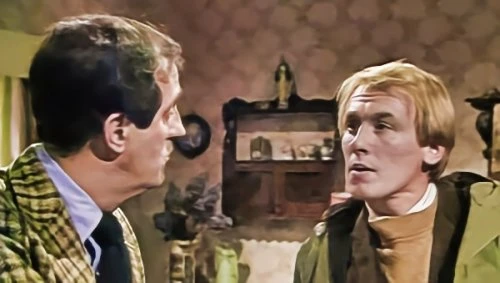
The supporting cast adds texture and warmth. Christopher Timothy’s Detective Sergeant Love brings energy and a touch of modern impatience, while Brenda Bruce’s Lucilla Teatime is an inspired creation—wry, observant, and subtly subversive within the social order she inhabits. Around them circulates an impressive roster of character actors, all contributing to the sense that this is a lived-in community rather than a collection of suspects assembled for convenience.
Tonally, the series often evokes the spirit of classic Ealing comedies, particularly in its reliance on character-based humour played with complete seriousness. The jokes are rarely telegraphed; instead, they arise naturally from social awkwardness, misplaced pride, or the gap between how people see themselves and how they actually behave. This restraint is one of the show’s greatest strengths, allowing comedy and mystery to coexist without undermining one another.
Murder Most English helped define a strand of television drama that favoured wit, literary adaptation, and tonal confidence over formula. While it may lack the instant hooks of more conventional crime series, its rewards are deeper and more enduring. What lingers is not just who committed the crime, but the civilised, quietly humane way in which order is restored—by a detective who believes, above all else, that decency still matters.
Seen this show? How do you rate it?
Seen this show? How do you rate it?
Share on...
Published on January 15th, 2026. Written by Laurence Marcus for Television Heaven.