

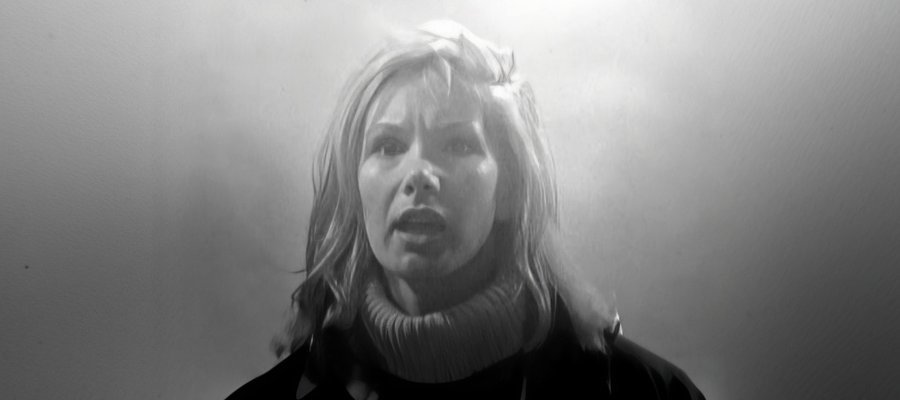
The Andromeda Breakthrough
1962 United KingdomThe Andromeda Breakthrough picks up right where its predecessor, A For Andromeda, left off, and if you’re expecting more of the same tightly wound sci-fi drama, you’ll get it—just with a noticeable shift in tone. What begins as a continuation of John Fleming and Andromeda’s story quickly expands into something broader, blending science fiction with political intrigue in a way that feels both ambitious and, at times, a little overstretched.
The opening is strong, immediately re-establishing the stakes. Andromeda’s survival comes with a cost—her health is deteriorating due to a genetic flaw—and the sense of pursuit adds urgency as she and Fleming go into hiding. There’s a real tension in these early episodes, with multiple forces closing in, from government authorities to the shadowy Intel consortium. It keeps things moving at a brisk pace and maintains the sense that something much bigger is unfolding behind the scenes.
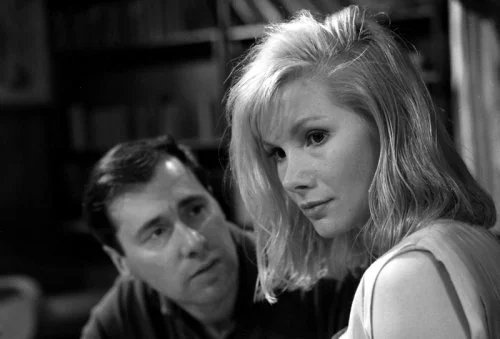
As the story shifts to the fictional Middle Eastern state of Azaran, the series leans more heavily into political drama. Coups, corporate influence, and power struggles start to share the spotlight with the scientific mystery. While this adds scale, it can also feel like the narrative is losing some of its original focus. The intrigue surrounding Intel and its motives is interesting enough, but it occasionally comes across as padding rather than a fully integrated part of the story.
What still works very well is the central sci-fi concept. The idea that a message from space could trigger a chain reaction threatening Earth’s atmosphere is genuinely unsettling. The gradual realisation that the planet is being suffocated—through shrinking nitrogen levels, violent storms, and environmental collapse—creates a creeping sense of dread that builds effectively over time. It’s less about sudden catastrophe and more about an inevitable, slow-motion disaster, which gives the series its most memorable moments.
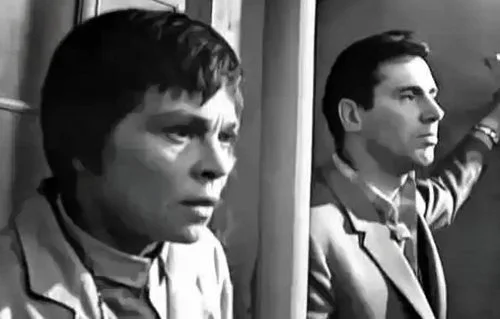
The characters help ground all of this, even when the plot starts to wander. Peter Halliday and Mary Morris slip comfortably back into their roles, bringing a sense of continuity, while Susan Hampshire’s take on Andromeda is different but compelling in its own way. She plays the character with a fragile determination that fits the storyline, even if the change in casting is noticeable. The recasting itself came about after the BBC declined to pay a £300 option fee to retain Julie Christie, and as a result she had committed to a film role, a decision that reportedly frustrated co-creator Fred Hoyle, who later described the production as something of a near disaster. Co-writer John Elliot was also the producer and co-director, and it was through his influence that the series took on much more of a political drama slant, which further angered Hoyle.

As a result, there’s a slight imbalance in pacing. At its best, the series is tense and thought-provoking, but at other times it drifts, juggling its various elements without always tying them together cleanly.
Still, despite its flaws, The Andromeda Breakthrough remains an engaging watch. It may not reach the same heights as the original (the programme failed to attain the high ratings of the previous production), but it builds on its ideas in interesting ways and isn’t afraid to widen its scope. When it focuses on the science and the existential threat, it’s gripping; when it gets bogged down in political intrigue, it’s less so. Overall, it’s an ambitious sequel that doesn’t quite match its predecessor’s impact but still offers enough tension and imagination to be worth the journey.
Seen this show? How do you rate it?
Seen this show? How do you rate it?
Share on...
Published on March 23rd, 2026. Written by Laurence Marcus for Television Heaven.