

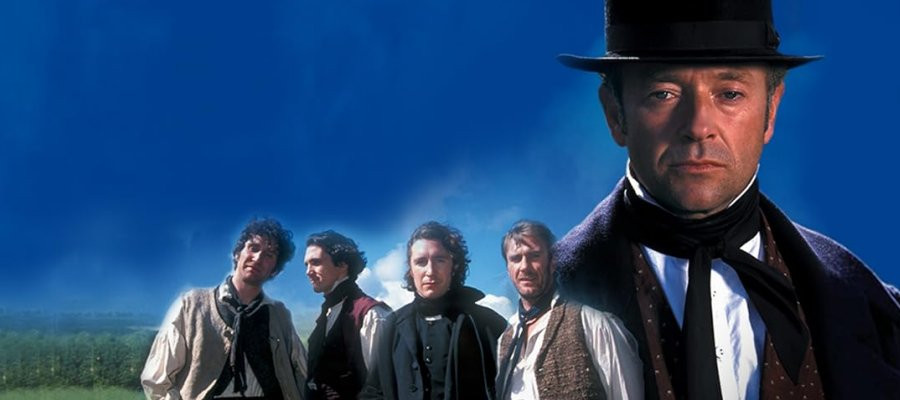
The Hanging Gale
1995 United KingdomThe Hanging Gale, the 1995 four-part drama that aired on RTÉ One and BBC1, is one of those historical series that quietly punches you in the gut and then lingers there for days.
Set in 1846 in County Donegal at the very start of the Great Famine, the show doesn’t hold your hand. It drops viewers straight into the mud, hunger, fear, and desperation of tenant farmers living under the “hanging gale” system — a six-month grace period on rent that sounds reasonable until crops fail and landlords still expect payment. That looming debt hangs over everyone like a storm cloud.
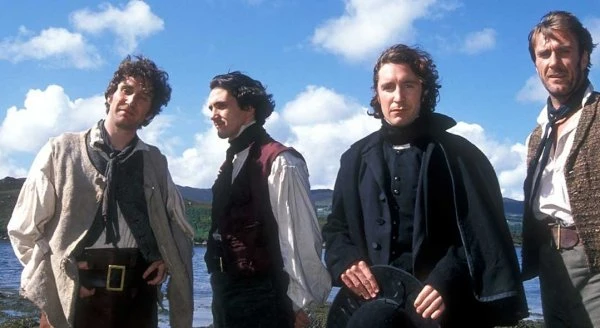
One of the big draws is that it stars all four McGann brothers — Joe, Paul, Mark and Stephen — playing the Phelan brothers. And it works. There’s a natural chemistry there that makes the family dynamic feel real: loyalty, tension, frustration, stubborn pride. It genuinely feels like they grew up in the same cramped farmhouse, unsurprisingly as the story was based on an original idea by Joe and Stephen while researching their own family's history.
The heart of the conflict revolves around Captain William Townsend (Michael Kitchen), the new English land agent. He isn’t written as a cartoon villain. He actually tries to be fair — defers rent until after harvest, calls for a Catholic priest to serve the parish — but he’s trapped in the machinery of colonial rule and fear. The moment he’s attacked by a mob sets the tone: nobody trusts anyone, and everyone is one bad decision away from disaster.
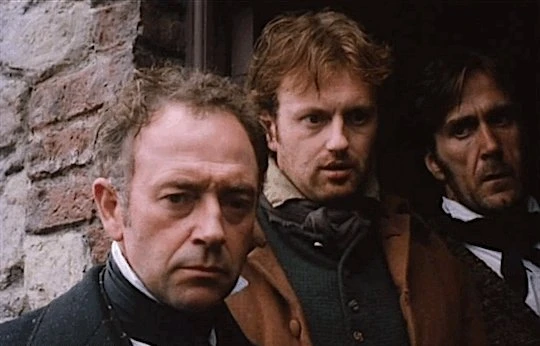
Stephen McGann’s Daniel is especially compelling — idealistic, angry, and dangerously committed to violent resistance. His membership in a secret society leads to a brutal “hedgerow trial” and execution early on, and from there things just spiral. The assassination attempt on Townsend that only wounds him feels like the point of no return.
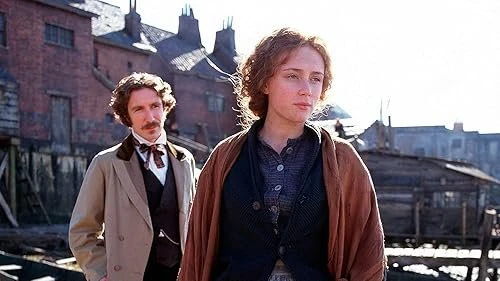
Mary Dolan (Tina Kellegher) may be the emotional core of the series. She’s caught between Townsend and Daniel, between survival and loyalty, between power and powerlessness. Her storyline — especially the pregnancy and the failed attempt to induce an abortion with wild berries — is heartbreaking without being melodramatic. It’s messy, human, and painfully believable.
The eviction of the Phelans, despite their rent being paid, is probably the most infuriating part. It shows how quickly “fairness” collapses once authority feels threatened. Sean’s death in prison and Conor’s escape feel less like plot twists and more like inevitabilities. By the time emigration to America becomes the only option, it doesn’t feel hopeful — it feels like exile.
The ending is bleak but fitting. Daniel’s final act seals his fate and underscores the tragedy: violence only tightens the noose. Townsend’s death doesn’t feel triumphant. It feels like the last failure in a chain of failures.
Overall, The Hanging Gale isn’t flashy. It’s slow, atmospheric, and heavy — and that’s exactly why it works. It captures the moral greyness of the famine years, showing how decent intentions crumble under pressure and how ordinary people are pushed into impossible choices. If historical dramas focused on character and moral tension rather than sweeping romance or battlefield heroics appeal, this one is well worth the time — just don’t expect to come away feeling cheerful.
Seen this show? How do you rate it?
Seen this show? How do you rate it?
Share on...
Published on February 17th, 2026. Written by Laurence Marcus for Television Heaven.