

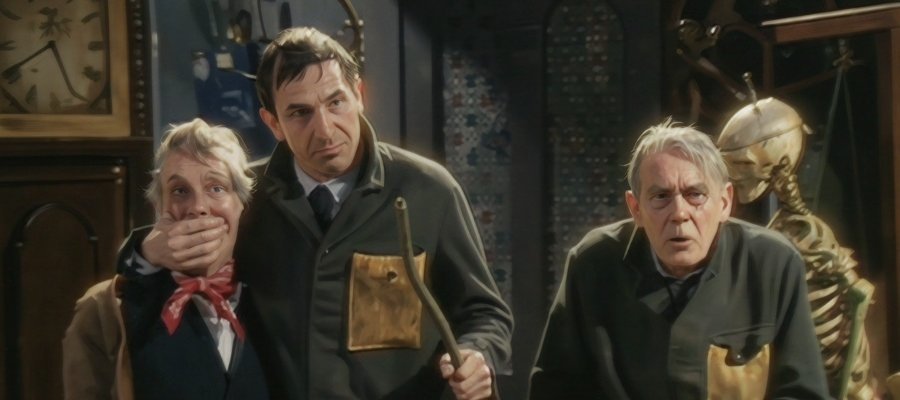
The Best of...Steptoe and Son - The Desperate Hours
There are great episodes of Steptoe and Son, there are classic episodes, and then there is The Desperate Hours. For many fans it stands at the very top of the pile, not simply because it is one of the funniest instalments ever made, but because it captures everything that made Galton and Simpson's masterpiece so different from every other sitcom of its era.
Albert and Harold are sitting indoors dressed from head to toe in winter clothing, trying to survive around a tiny electric heater that barely takes the edge off the freezing temperatures. Harold complains that living in the house is "worse than the Russian Front" and, as always, threatens to pack it all in because the rag-and-bone business is making so little money.
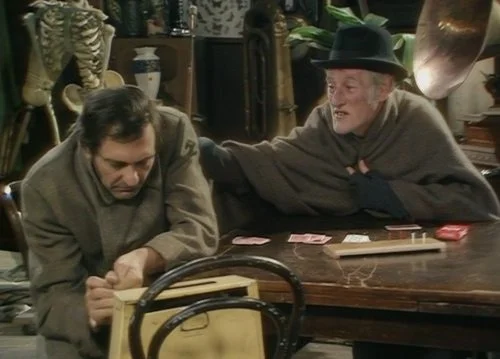
Things have become so desperate that they've even resorted to feeding foreign coins into the electricity meter in the hope that something might work. Underneath the laughs is the grim reality that Albert and Harold are genuinely living in poverty. That blend of comedy and sadness was something Steptoe and Son perfected long before it became fashionable in British television.
The old wireless eventually splutters into life just long enough to announce that two dangerous prisoners have escaped from Wormwood Scrubs. Then, almost as if it shares the Steptoes' miserable existence, it gives up the ghost again the moment the music begins. It's a wonderfully understated joke that perfectly sets the stage for everything that follows.
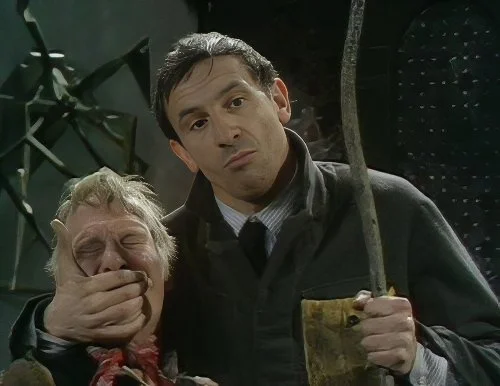
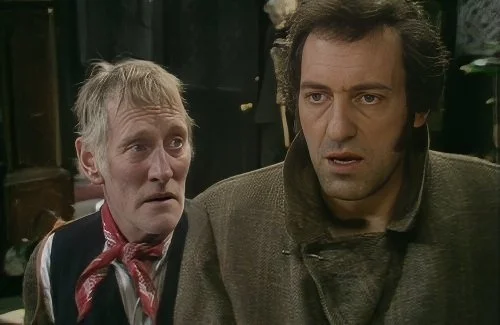
When the escaped convicts Johnny and Frank unexpectedly arrive at Oil Drum Lane, the episode shifts into something that feels almost like a stage play. The action never leaves the Steptoes' front room, creating an atmosphere that is hilariously claustrophobic. Johnny wastes no time barking out his demands: grub and the keys to their car. Harold's reply is the frank admission: "We haven't got a car.” Johnny has seen a garage outside. “That’s not a garage,” Harold explains, “that’s stables.” Frank is desperate. “We can’t make a getaway on a horse, Johnny.” To which Harold replies, “Dick Turpin did!” It instantly punctures the tension and perfectly sums up the Steptoes' hopeless circumstances. The two hardened criminals have overestimated the family's fortunes. The prisoners have escaped from prison only to find themselves trapped inside a house that feels every bit as confining as the cells they've left behind.
As the story unfolds, the true brilliance of Galton and Simpson's script becomes clear. Johnny and Frank aren't simply villains holding the Steptoes hostage. They are reflections of Harold and Albert themselves.
Johnny, played magnificently by Leonard Rossiter, is every bit as frustrated with his older companion Frank as Harold is with Albert. Frank, wonderfully portrayed by J. G. Devlin, has much the same stubborn, manipulative qualities as the old rag-and-bone man. The relationships mirror one another so closely that you begin to realise the only real difference is that one pair has been living together in a prison cell, while the other has been living together in Oil Drum Lane.
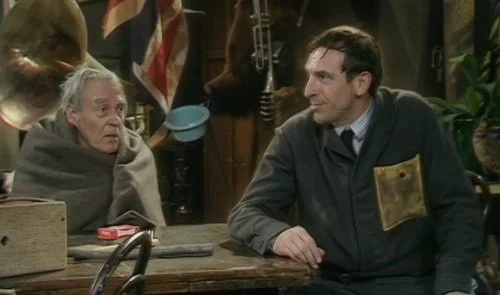
That idea gives the episode an emotional depth that few sitcoms have ever achieved. The convicts slowly come to realise that, despite being on the run from the authorities, they may actually have been living more comfortably in prison. At least there they had heating, regular meals and a roof that didn't feel like an icebox.
Harold, who has absolutely nothing, ends up cadging cigarettes from Johnny before hoping he might also spare a shilling for the electricity meter, while Albert proudly offers Frank the only food left in the house: that morning's cold porridge together with stale bread and mouldy cheese, reassuring his guests that "you can always scrape the green bits off," the sheer absurdity of the situation is pure Galton and Simpson.
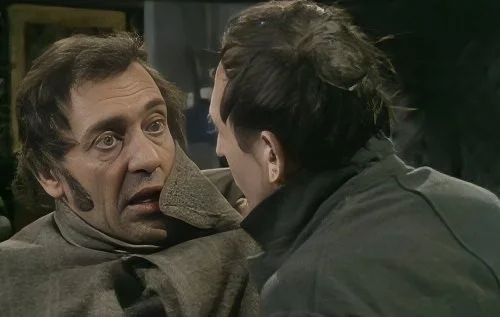
What makes The Desperate Hours so remarkable is that nobody is simply good or bad. As the conversation unfolds, Harold recognises something of himself in Johnny. Seeing Johnny constantly frustrated by the older Frank, Harold urges him to leave the old man behind if he really wants to make a clean escape. It is far more than practical advice. Harold is really voicing the feelings he has carried for years about Albert, convinced that his own life would have been different had he not always been tied to his father. Yet Johnny's refusal to abandon Frank, despite all the arguments and resentment between them, perfectly mirrors Harold's own inability to walk away from Albert. It is one of Galton and Simpson's finest pieces of writing, using two escaped convicts to reflect the complicated bond at the heart of Steptoe and Son.
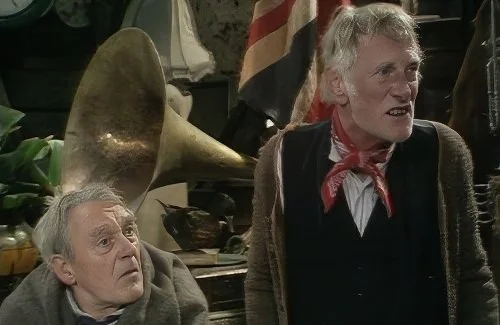
When the convicts finally depart, leaving behind their last shilling and hoping to be back in prison in time for dinner, the ending is unexpectedly moving. Instead of relief, Albert and Harold are left with a strange sense of sadness. Their unexpected visitors had become companions who understood them better than almost anyone else.
The performances throughout are astonishing. Harry H. Corbett and Wilfred Brambell were already one of British television's greatest sitcom duos, but Leonard Rossiter more than matches them. His performance is full of energy, menace, vulnerability and razor-sharp comic timing. It has often been suggested that this appearance helped convince television executives he was capable of carrying his own sitcom, eventually leading to his unforgettable role as Rigsby in Rising Damp. If true, it is easy to understand why.
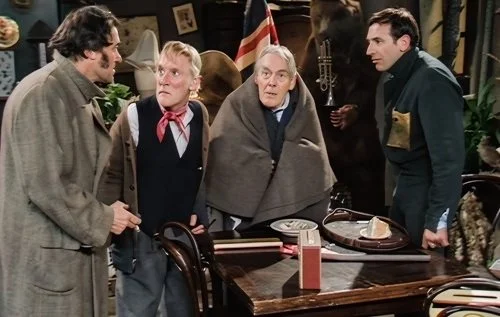
J. G. Devlin deserves just as much praise. His quieter performance balances Rossiter perfectly, and together they create two characters who are believable, sympathetic and genuinely funny.
In many ways, The Desperate Hours demonstrates exactly why Steptoe and Son was such a groundbreaking sitcom. Before Albert and Harold came along, television comedy often relied on obvious punchlines, slapstick and larger-than-life characters. Galton and Simpson introduced something altogether richer. Their comedy came from believable people trapped by circumstance, finding laughs amid disappointment, frustration and unfulfilled dreams. The series showed audiences that sitcoms could be funny, heartbreaking and painfully truthful all at the same time.
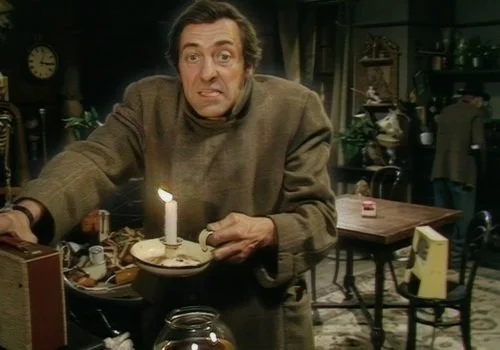
There are countless memorable episodes of Steptoe and Son, but The Desperate Hours deserves its reputation as one of the finest. It brings together everything that made the series an enduring classic: unforgettable characters, exceptional writing, pitch-perfect performances and a humanity that few sitcoms have ever matched.
If someone wanted to understand why Steptoe and Son remains one of Britain's greatest television comedies, there could hardly be a better place to start. Thirty minutes simply don't get much better than this.
Share on...
Published on July 9th, 2026. Written by Laurence Marcus for Television Heaven.