

A Time of Day
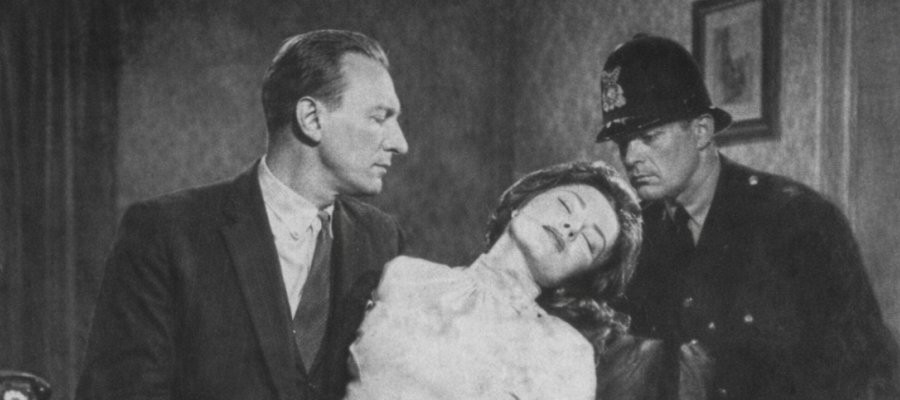
1957 United KingdomFrancis Durbridge’s A Time of Day, the seventh serial he submitted to BBC Television, marked a significant moment in the evolution of what would become a remarkably steady flow of suspense dramas from Britain’s foremost thriller writer. Conceived during a brief holiday and inspired by Durbridge’s observation of a husband-and-wife couple locked in acrimonious dispute, the serial transforms domestic discord into a tightly wound narrative of kidnapping, moral compromise and escalating peril.
At its core are Clive and Lucy Freeman (Stephen Murray and Dorothy Alison), a marriage already approaching collapse before tragedy intervenes. Clive’s obsession with establishing himself as a research scientist and Lucy’s emotional exhaustion from a loveless union – compounded by the pressures of raising their troubled daughter Janet (Angela Ramsden) – create a brittle domestic landscape. Durbridge wastes no time exploiting these fractures: Janet’s sudden disappearance on her journey home from school detonates what remains of the Freemans’ relationship and propels the story into darker territory.
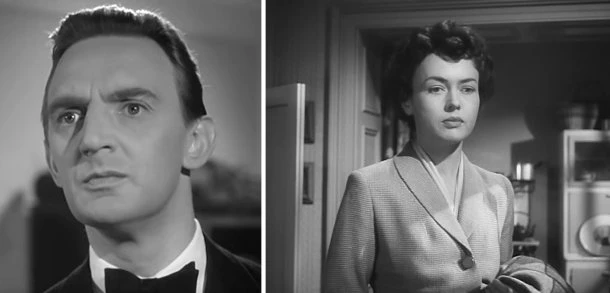
The mystery is seeded with classic Durbridge efficiency. Janet’s abandoned belongings, including cryptic notes in her exercise book, hint at premeditation, while the shadowy figure of “Mr Nelson” looms large. Initial police suspicions fall on photographer Roy Pelford (Gerald Cross), the last man to see the girl, but he deftly redirects attention to dentist Robert Stevens (Richard Bebb), deepening the web of uncertainty. When “Mr Nelson” confronts the Freemans at home, demanding money and Clive’s absence from the country at a precise time and date, the narrative pivots from investigation to panic. Clive’s violent outburst, resulting in Nelson’s accidental death, raises the stakes dramatically, forcing the couple to choose between self-preservation and justice.
Lucy’s decision to involve the police (led by Detective Inspector Kenton, played by Raymond Huntley) against her husband’s wishes injects the serial with moral tension, and while the apparent arrest of the kidnappers suggests closure, Durbridge cannily reopens the wound with Janet’s recapture and renewed ransom demands. The final episodes escalate into a race against time, with the police closing in and the Freemans confronting the consequences of every compromised decision they have made.
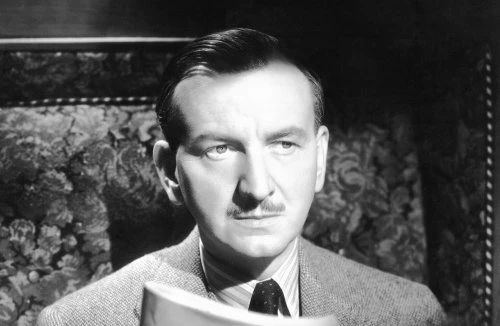
Although consistently entertaining, A Time of Day is often regarded as a slighter work within Durbridge’s formidable canon, perhaps reflecting the strain of his simultaneous commitment to the hugely popular Paul Temple radio series. Even so, it boasts strong supporting performances from Frank Pemberton, Anna Barry and Lane Meddick, and benefits from the enduring collaboration between designer Roy Oxley and producer-director Alan Bromley. Their partnership, already proven on earlier Durbridge serials, helped cement his reputation as a household name throughout the 1960s.
Notably, the production embraced an unusual level of secrecy: the identity of the true villain was withheld from the cast until after episode five had aired, with the final script kept under lock and key. Bromley’s reasoning was pragmatic – to prevent any unconscious hint of villainy creeping into performances – and the strategy reportedly sparked a sweep among the cast themselves.
Broadcast live from BBC Television Centre and debuting on the same day as Paul Temple and the Spencer Affair on radio, A Time of Day was well received by contemporary critics. The Daily Herald praised its skilful production and the emotional weight Murray and Alison brought to the ordeal of bereaved parents, while preferring it to Durbridge’s radio output. Ramsden Greig, writing in the Aberdeen Evening Express, admired the serial’s refusal to mark time, noting how Durbridge piled calamity upon calamity within a single half-hour to gripping effect.
Though successfully exported worldwide, A Time of Day was never commercially released and was not retained in the BBC archives. Today, only its novelisation survives, a reminder of a gripping, if comparatively modest entry in Durbridge’s body of work – and a tantalising example of television drama whose impact now exists only in memory and print.
Seen this show? How do you rate it?
Seen this show? How do you rate it?
Share on...
Published on January 11th, 2026. Written by Laurence Marcus for Television Heaven.