
Barbara in Black
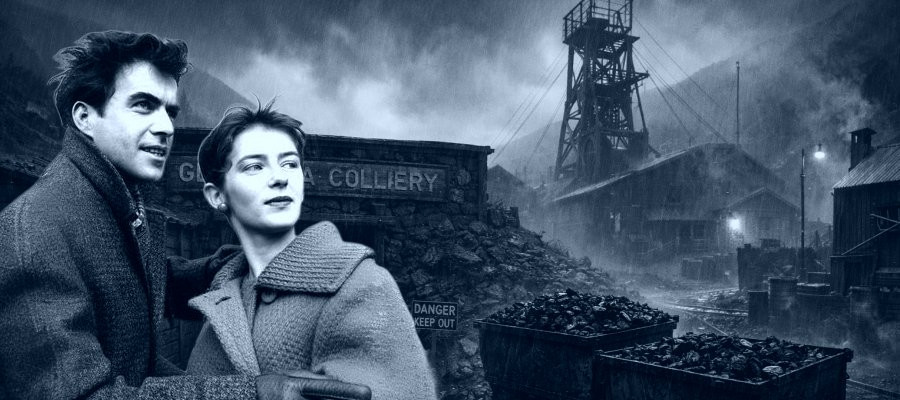
1962 United KingdomThis six-part thriller by Elaine Morgan, whose first major serial A Matter of Degree (BBC Wales 1960), which also featured the television debut of Anthony Hopkins, marked a decisive step forward in a career that included over 50 other high profile series including Doctors, How Green Was My Valley, R3 and The Life and Times of David Lloyd George. Blending regional authenticity, tightly controlled suspense and an unusually modern sense of moral and scientific danger, Barbara in Black, produced and directed by David J. Thomas, stands as an accomplished early-1960s thriller from BBC Television.
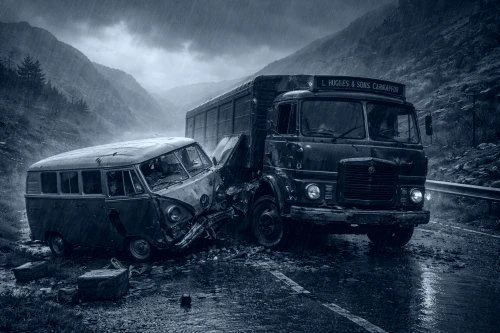
The story opens with striking economy and menace: a violent collision between a van and a lorry on a desolate mountain road in Wales, battered by rain and wind. What initially appears to be an unfortunate accident quickly reveals darker intentions when a passing policeman is brutally attacked and left to die. From this moment on, Morgan ensures that the tension scarcely slackens, just as Radio Times promised, drawing an ever-widening circle of characters into the consequences of that single, brutal act.
At the heart of the drama is Barbara Griffiths, played with quiet determination by Tracey Lloyd. Barbara’s involvement is deeply personal: her father Will, a miner portrayed by Prysor Williams with understated tragedy, is drawn into the criminal scheme and then vanishes. Lloyd gives Barbara a strength that feels earned rather than imposed; she is neither a passive victim nor a conventional heroine, but a young woman compelled to act because inaction is no longer an option. Her search for the truth provides the emotional spine of the serial.
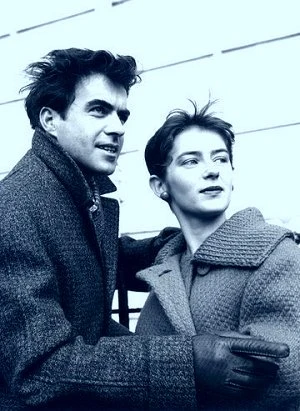
John Cairney offers strong support as Doctor Dave Sharland, Barbara’s fiancé, whose rational, scientific outlook is tested by events that grow increasingly grim. His discovery that the abandoned accident scene conceals a murder—and that both vehicles have mysteriously disappeared—signals the scale of the conspiracy unfolding. Cairney brings credibility and moral weight to the role, particularly as Sharland is forced into dangerous proximity with the criminals he is trying to expose.
What elevates Barbara in Black above a conventional crime serial is its subject matter. The stolen cargo at the centre of the plot is not gold or weapons, but Caesium 137, a dangerously radioactive substance lifted from an English laboratory. In 1962, this was a daringly topical choice, tapping into contemporary anxieties about nuclear science, secrecy and the misuse of knowledge. Morgan handles this material with intelligence, allowing the audience to grasp the stakes without lapsing into didacticism.
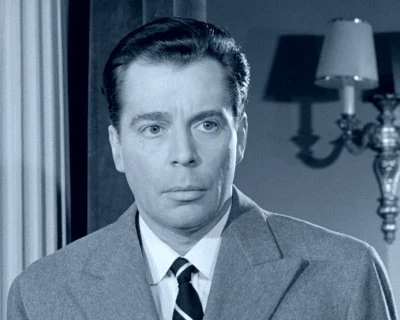
The villains, notably Neil McCarthy’s Cobley and Jack Rodney’s Louther, are convincingly brutal, while Anthony Newlands’ Ladysmith is especially effective as the respectable face of corruption: a shady businessman willing to sanction murder for profit. His presence reinforces one of the serial’s most unsettling ideas—that the greatest threats often come not from foreign powers, but from greed and moral indifference closer to home.
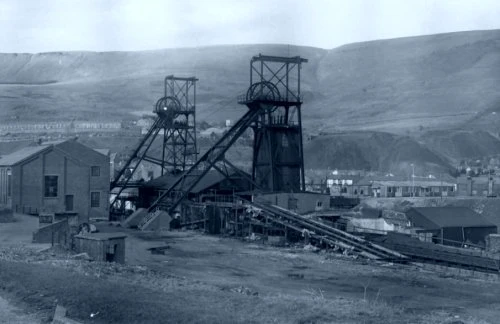
Visually and atmospherically, the Welsh setting is integral rather than decorative. The mountains, mines and coastal locations lend the serial a bleak authenticity, and the strong use of Welsh actors gives the production a sense of place that was still relatively rare on BBC Television at the time. The disused mine, in particular, becomes a chilling focal point: dark, damp and deadly, it is both a literal and symbolic underworld.
Ultimately, Barbara in Black is a sharply plotted, richly textured thriller that balances suspense with character and social relevance. It demonstrates Elaine Morgan’s growing confidence as a television dramatist and remains widely regarded as her finest creative achievement. As an early example of the BBC’s evolving thriller serials, it is not only gripping entertainment but also a formative work that helped shape the direction of the genre throughout the 1960s.
Seen this show? How do you rate it?
Seen this show? How do you rate it?
Share on...
Published on February 10th, 2026. Written by Laurence Marcus for Television Heaven.