
Night Gallery
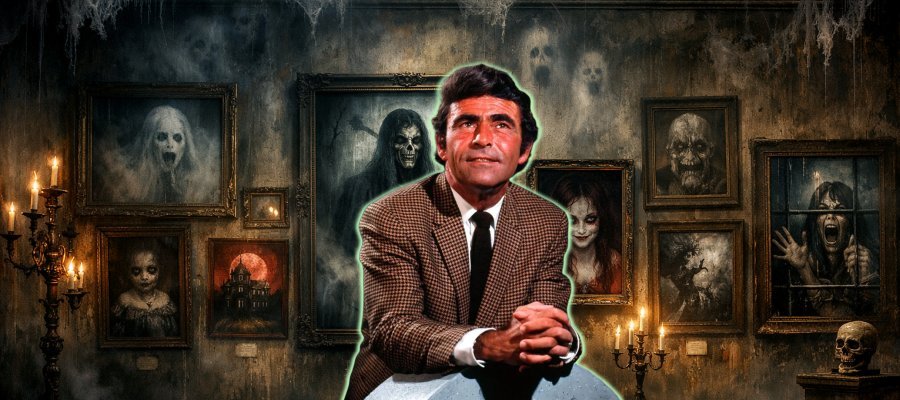
1970 United States“Good evening, and welcome to a private showing of three paintings, displayed here for the first time. Each is a collector’s item in its own way—not because of any special artistic quality, but because each captures on a canvas, suspended in time and space, a frozen moment of a nightmare.”
That opening narration from Night Gallery tells you almost everything you need to know about the show’s appeal. Before a single ghost appears or a single doomed soul makes a terrible bargain, the mood is already set. The curtains part, the eerie painting is revealed, and Rod Serling steps forward like a funeral director guiding us through a museum of human weakness. It’s theatrical, literary, and wonderfully morbid.
At first glance, Night Gallery feels like the darker, more gothic cousin of The Twilight Zone. That comparison is unavoidable, especially since Serling hosted both series and contributed many of the scripts. But where The Twilight Zone often gazed toward science fiction, paranoia, and social allegory through a speculative lens, Night Gallery preferred candlelit corridors, cursed portraits, vampires, crypts, and supernatural vengeance. It traded rockets and alternate dimensions for cobwebs and graveyards, and somehow that shift gave the series a more intimate kind of horror.
The framing device remains one of the greatest in television history. Serling, standing inside a shadowy gallery, introduces paintings created by artists Thomas J. Wright and Jaroslav “Jerry” Gebr, each artwork depicting the nightmare we’re about to witness. The paintings themselves become part of the storytelling. They aren’t merely props; they’re ominous promises. Even now, decades later, there’s something hypnotic about seeing Serling pull back a curtain and calmly explain why the image before us represents terror, guilt, revenge, or madness.
What makes Night Gallery especially compelling is the tension between what the show wanted to be and what NBC thought audiences wanted. The network reportedly pushed for “action, ghouls and gore,” while Serling tried to inject the same social commentary and emotional melancholy that elevated his earlier work. You can feel that conflict throughout the series. Some episodes are intelligent morality plays wrapped in supernatural horror, while others indulge in pulpy shocks and grotesque twists. Oddly enough, that inconsistency becomes part of the charm. The show feels like a battleground between artful television and commercial horror entertainment.
Serling clearly viewed Night Gallery as a continuation of his larger creative mission, and some of the series’ strongest episodes carry his unmistakable fingerprints. Beneath the monsters and ghosts are stories about loneliness, greed, vanity, cruelty, and fear of death. Even when an episode stumbles, there’s usually a lingering sadness underneath the horror. The best segments don’t simply scare you; they leave you uneasy about human nature itself.
The series also benefited enormously from its literary ambitions. Adaptations of stories by writers like H. P. Lovecraft gave the show a richer atmosphere than many television horror anthologies of the era. Night Gallery often felt closer to reading a dusty old horror collection than watching conventional network television. There’s a patience to many episodes, a willingness to let dread slowly accumulate instead of relying entirely on jump scares.
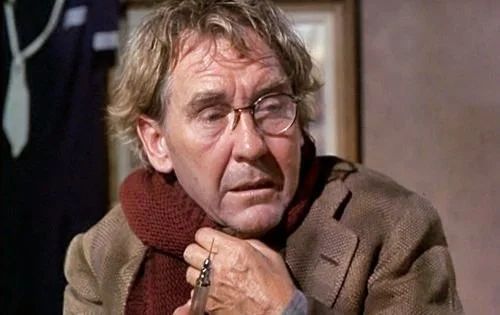
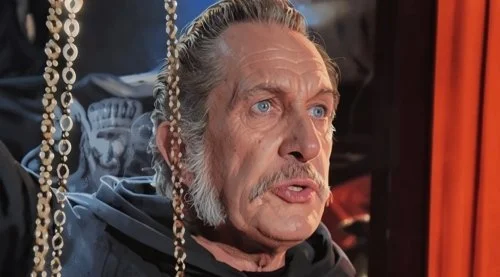
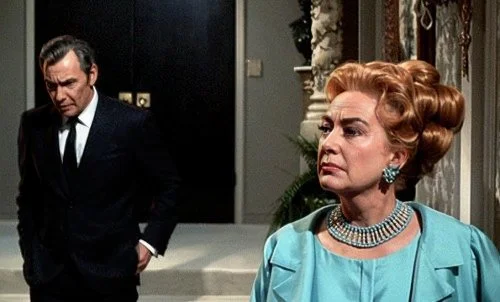
And then there’s the cast list, which is honestly staggering. Watching Night Gallery today is like walking through a hall of fame for classic performers. Vincent Price, Burgess Meredith, Raymond Massey, Agnes Moorehead, Joan Crawford, Orson Wells, Edward G. Robinson, Patrick Macnee, Laurence Harvey, Virginia Mayo, Elsa Lanchester, Chuck Connors, Cesar Romero, Mickey Rooney, and even future stars like Lindsay Wagner, Leonard Nimoy, Diane Keaton and Sally Field all drift through the gallery at one point or another. Every episode feels like discovering another hidden gem packed with recognizable faces before they became legends—or after they already had.
One of the strangest creative decisions was the inclusion of blackout comedy sketches during the second season. Producer Jack Laird introduced short comedic horror bits, often involving vampires or supernatural creatures in absurd situations. On paper, it might have sounded clever. In execution, it often shattered the carefully cultivated mood. Serling absolutely hated them, and honestly, it’s hard not to sympathize with him. His criticism still rings true: after immersing viewers in gothic dread, suddenly cutting to broad comedy feels jarring. It’s like someone interrupting a ghost story to tell a vaudeville joke.
Still, even those awkward tonal shifts reveal something fascinating about television in the early 1970s. Networks were trying to figure out how far horror could go on mainstream television, and Night Gallery frequently feels caught between experimentation and compromise. That creative push-and-pull gives the show an oddly human quality. It’s imperfect, occasionally messy, but never lifeless.
Another fascinating footnote is the involvement of Steven Spielberg, who directed one of the blackout segments early in his career. The idea that Spielberg briefly passed through this haunted anthology before creating Amazing Stories years later feels oddly appropriate. You can trace a lineage from Night Gallery to countless anthology shows that followed.
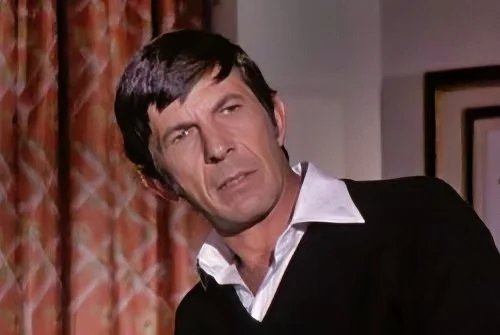
Visually, the series remains remarkably effective despite its age and budget limitations. Shadows dominate the frame, colours feel dreamlike, and the gallery paintings themselves lend every episode a storybook quality. Unlike modern horror, which often relies on speed and intensity, Night Gallery moves with deliberate elegance. It wants viewers to sink into the atmosphere. Sometimes the horror arrives quietly, almost politely, before tightening around the viewer like a noose.
What ultimately makes Night Gallery endure is Rod Serling himself. Even when the series drifted away from his vision, his presence anchored it. His voice—measured, intelligent, mournful—gave the show dignity. He didn’t present horror as disposable entertainment. To Serling, horror was a way of exploring human frailty, regret, and moral consequence. That’s why the series still resonates decades later.
It’s also why the show has lingered so deeply in pop culture memory. The Simpsons lovingly parodied Serling’s introductions during one of its Treehouse of Horror specials, proving just how iconic the image of the solemn curator had become.
Night Gallery may never stand quite as tall as The Twilight Zone in the public imagination, but it deserves far more appreciation than it usually receives. It’s richer, stranger, moodier, and more unapologetically macabre. At its best, it feels like wandering through a haunted museum after midnight while a soft-spoken storyteller explains why every painting on the wall represents another doomed soul.
And once Rod Serling invites you into that gallery, it’s very difficult to leave.
Seen this show? How do you rate it?
Seen this show? How do you rate it?
Share on...
Published on May 10th, 2026. Written by Laurence Marcus for Television Heaven.