

Buccaneer
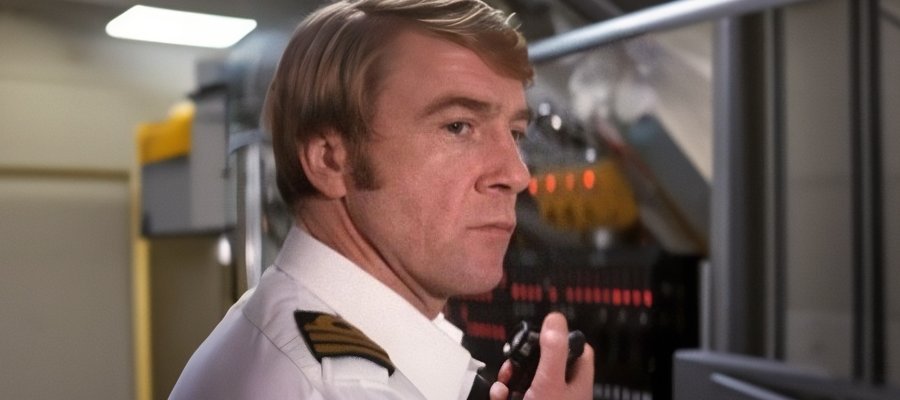
1980 United KingdomBroadcast over 13 weeks in 1980, this BBC drama from experienced writers Norman Crisp (The Expert), Eric Paice (Pathfinders to Venus) and producer Gerard Glaister (Colditz) set out with an ambitious premise: to bring the high-stakes world of air cargo to television in the same way The Brothers had done for haulage. It opens with real promise, delivering a gripping first episode in which pilot Tony Blair (Bryan Marshall - Warship) makes a daring escape from a coup in a fictional African state, instantly establishing a sense of danger and scale. For a moment, it feels like the series might sustain that energy.
However, after this strong beginning, the narrative loses a bit of altitude. The writing becomes more conventional and predictable, leaning heavily on then-popular tropes rather than carving out a distinctive identity. The influence of Dallas which was riding high internationally at that time is unmistakable, particularly in the character of Charles Burton, a calculating businessman clearly modelled on the archetypal ruthless tycoon. Clifford Rose (Callan) plays him with conviction, and his presence becomes the show’s central pillar, overshadowing Marshall’s more straightforward hero-pilot.
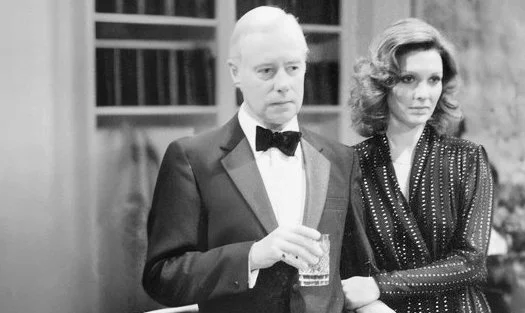
The core storyline—Burton’s takeover of the struggling Red Air and the internal conflicts that follow—has potential, especially as tensions rise over finances and control. Yet the execution is often uneven. Character motivations can seem underdeveloped, and the drama lacks the sustained tension needed to keep viewers fully invested. The storyline, centred on Red Air’s financial difficulties and Burton’s ambitious plans—including a lucrative but somewhat mysterious electronics cargo deal—does unfold with a steady sense of intrigue. Boardroom clashes, regulatory pressures involving the Civil Aviation Authority, and the challenges of keeping a one-aircraft operation afloat all contribute to a narrative that balances personal drama with industry-specific detail. But there just seems, at times, to be something lacking.
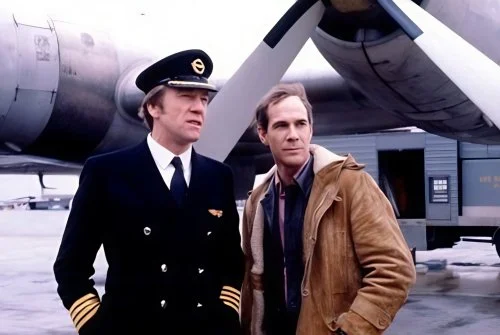
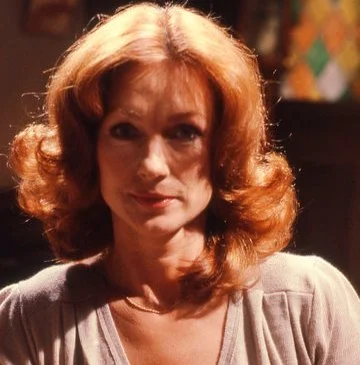
Pamela Salem (Into the Labyrinth), always a welcome face on our screens, adds depth to the unfolding corporate drama as Helen Burton, and Mark Jones (A Family at War) plays Ray Mason, the original owner of Red Air, with frustration and vulnerability as he struggles to come to terms with losing control of the company he built. The supporting cast includes Shirley Ann Field (Santa Barbara) as Margaret, and other familiar faces help create a believable working environment within the airline. However, subplots, such as Tony’s estranged son reappearing, feel more like narrative devices than emotionally grounded developments.
One notable achievement is its place in broadcasting history as the first BBC drama to feature Ceefax subtitles, marking an important step forward in accessibility.
The Bristol Britannia aircraft, registered G-BRAC and repainted as Red Air’s lone cargo plane, becomes a character in its own right, lending authenticity and visual presence to the series. Tragically, shortly after filming concluded, the aircraft was involved in a fatal accident on 16 February 1980 near Boston, Lincolnshire, during a training flight. Of the eight people on board, seven lost their lives, with only one survivor who was seriously injured. This devastating event cast a shadow over the production and contributed to the decision not to pursue a second series.
Despite its relatively short run, the drama remains an interesting and perhaps a sad but understandably underdeveloped entry in the BBC’s catalogue. In the end, the lone series feels like a flawed attempt to blend aviation adventure with corporate intrigue. It never quite balances its elements successfully, starting with excitement but gradually settling into a more routine and less compelling rhythm.
Seen this show? How do you rate it?
Seen this show? How do you rate it?
Share on...
Published on April 8th, 2026. Written by Laurence Marcus for Television Heaven.