

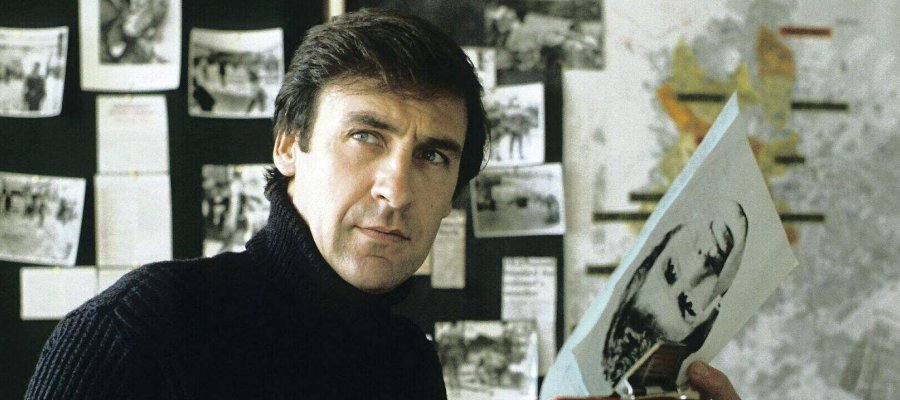
Ray Lonnen
An actor who embodied the dependable craft of British television, Ray Lonnen was never the loudest star on the screen, nor the sort to dominate headlines, yet for decades audiences instantly recognised him: calm under pressure, quietly authoritative, and capable of slipping effortlessly between policemen, spies, villains and weary professionals. In an era when British television drama was flourishing, Lonnen became one of its most reliable and respected faces.
For many viewers, he will always be remembered as Harry Brown in Harry's Game, the gripping 1982 adaptation of Gerald Seymour’s acclaimed novel. The series followed a British agent sent into Belfast to track down the assassin of a senior politician during the Troubles. It was tense, intelligent television that refused easy answers, and Lonnen’s restrained performance gave the drama much of its emotional weight.
Even now, the haunting theme tune by Clannad instantly evokes the shadowy atmosphere of the series and Lonnen’s solitary figure moving through Belfast’s dangerous streets.
Born Raymond Stanley Lonnen in Bournemouth on 18 May 1940, the middle of three children, Lonnen trained at the Hampshire School of Acting and wasted little time establishing himself professionally. After making his stage debut in 1959, work came steadily, something many actors can only dream about. His television debut arrived in 1961 in an episode of ITV’s Comedy Matinee series titled Ma’s Bit O’Brass.
A small but telling moment early in his career became one of his favourite stories. While appearing alongside John Alderton at York Repertory Theatre in 1962, both actors were spotted by a casting director and offered parts in the medical soap Emergency-Ward 10. Alderton became a regular star; Lonnen, as he later joked with typical self-deprecation, was given “about six lines”.
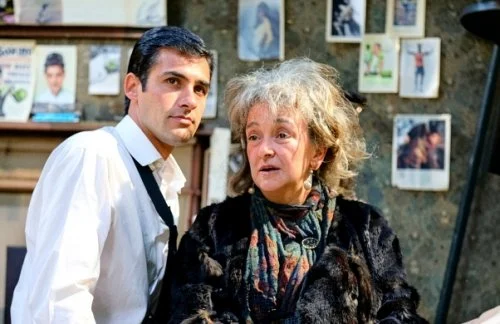
Still, those small roles built into something substantial. Guest appearances in the anthology series Love Story and The Power Game led to a regular role in the soap opera Market in Honey Lane, where he played Cockney market trader Dave Sampson from 1967 to 1969. Though the programme is now largely forgotten, it helped establish him as a dependable television performer.
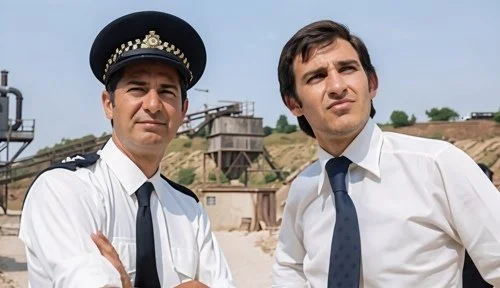
Wider recognition came with Z Cars, one of the defining police dramas of its time. Between 1972 and 1977, Lonnen played Detective Sergeant — later Detective Inspector — Moffat. The role cemented his reputation as an actor who could bring realism and humanity to authority figures without overplaying them.
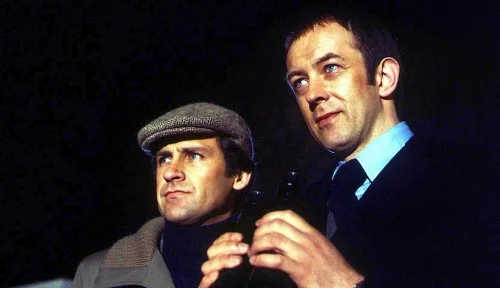
Then came another career-defining series: The Sandbaggers. Running from 1978 to 1980, it was unlike most spy dramas of the era. Instead of glamorous action scenes, the show focused on bureaucracy, politics and the moral ambiguities of intelligence work. Today it is widely regarded as one of the finest British spy series ever made.
Lonnen played Willie Caine, known as “Sandbagger One”, MI6’s best field operative. While Roy Marsden’s Neil Burnside fought Whitehall battles from behind a desk, Caine handled the dangerous missions on the ground. The scripts by Ian Mackintosh carried an unusual authenticity, fuelled partly by rumours that Mackintosh himself had connections to covert operations. Lonnen later recalled that whenever he asked the writer directly, Mackintosh would dodge the question with a smile.
The final episode ended with Caine being shot, a shocking cliffhanger that viewers expected would eventually be resolved. Plans were reportedly in place for the character to survive and continue working from a wheelchair. But fate intervened tragically when Mackintosh disappeared after his plane vanished over Alaska, presumed lost. Without him, the series was never revived.
Lonnen was first married to Jean Conyers and then to the actress Lynn Dalby, in 1977, with whom he had three children. The marriage ended in divorce in 1983.
Lonnen would later return to intelligence-style drama as a senior officer in Yellowthread Street, a 1990 drama about detectives in Hong Kong. By then he had become one of those actors who seemed to appear everywhere on British television. His résumé reads almost like a tour through half a century of popular drama: The Rivals of Sherlock Holmes, Coronation Street, Hammer House of Horror, Tales of the Unexpected, Heartbeat and Midsomer Murders all benefited from his reassuring presence.
Away from the camera, Lonnen’s voice became familiar too. He worked extensively as a voice artist, narrating audiobooks, commercials and children’s television. Young viewers heard him in Budgie the Little Helicopter, while older audiences remembered his appearances on Jackanory.
Within the industry, he earned a reputation not only as a consummate professional but also as a generous colleague. Kim Basinger was so grateful for his encouragement during her successful audition for Never Say Never Again that she later wrote him a personal thank-you letter.
Although television remained his preferred medium, Lonnen never lost his love of theatre, particularly touring productions that allowed him to travel. He appeared opposite Maureen Lipman in the first London revival of Wonderful Town in the West End in 1986, and later performed in productions including Bells Are Ringing, Having a Ball, Misery, and And Then There Were None. In 1996 he appeared in Misfits at Manchester Royal Exchange, playing none other than Clark Gable.
Even after being diagnosed with cancer in 2011, Lonnen remained determined to continue acting. His final role came in the short film Extended Rest in 2014, appearing alongside fellow Z Cars veterans Ian Cullen and Bernard Holley, as well as his third wife, the actor and writer Tara Ward.
When Ray Lonnen died on 11 July 2014 at the age of 74, British television lost one of its great character actors — a performer whose talent lay not in flamboyance, but in absolute authenticity. He belonged to that generation of dependable actors who elevated every production they joined. Audiences may not always have known his name immediately, but they always recognised the face, trusted the performance, and believed every word he said.
Share on...
Published on June 3rd, 2026. Written by Laurence Marcus for Television Heaven.